Showing posts with label Fitness. Show all posts

Monday, 14 May 2012

U.S. is the Fattest Country In The World: The Top Food Offenders That Make Us Fat


Well, at least in terms of very developed nations with larger populations. The evidence is all around us and even a brief public outing will confirm it. We are one fat country. We love to eat and all the wrong foods. The problem is more related to what we eat rather than how much we eat. The culprits are not always so obvious either. Gone are the days when it was only fast food that would add to our waistline. Today it's everyday foods that are suspect.

MRI scan of a morbidly obese 250 pound woman (left) and healthier 120 pound woman (right). The areas of pronounced subcutaneous fat are evident on the obese woman. In this upright standing position, notice the subcutaneous fat around the neck, shoulders, arms, chest, waist, thighs, and even calves. Also, notice the repositioning of her shoulder joint and hip joint, pronounced angle of the humerus (arm bone) and angle of femur (thigh bone), and the positioning of knee and ankle joints. Other anomolies include the enlarged heart and greater omentum (fat deposition that hangs down from the stomach in front of the small intestines).

The growing problem of obesity is associated with multiple morbidities, including increased risk of diabetes, hypertension, heart disease, sleep apnea, and cancer. Obesity promotes disability, decreases productivity, and shortens life span. Although much attention has been focused on diet and exercise, these strategies alone are not effective in preventing obesity and maintaining weight loss.

50 Important Fitness and Fat-Loss Facts You Need to Know

These thoughts will change the way you think about your fitness and fat-loss lifestyle.

  1. Carbohydrates, protein, fat, and alcohol have 4, 4, 9, and 7 calories per gram respectively.
  2. It takes a 3500 calorie deficit to lose 1 pound.
  3. Insulin and growth hormone have an inverse relationship.
  4. The average person can store 500 grams of glycogen.
  5. Only fat and protein are essential macronutrients – carbohydrates aren’t.
  6. Muscle glycogen is about 3 parts water to 1 part glucose.
  7. You burn more calories during the 23 hours you don’t exercise than the 1 hour you do.
  8. You don’t need to do cardio to lose weight.
  9. The fat burning zone does not burn more total fat calories – only a higher percentage of calories from fat.
  10. You’re never too old to do squats.

Wednesday, 9 May 2012

The deadly toll of sitting

Have a desk job? Like to watch “Dancing With the Stars” or “CSI” every night? Does your sofa have a permanent imprint of your butt in it? Then stand up while you read this, because I’m talking to you.

I’ve told you before how too much time on your rear can boost your risk of disease and an early death, and the latest word out of Australia shows just how quickly it can happen to you.

All it takes is an office job and a little too much TV time, because a look at data on 222,000 Australians 45 years old and up finds that people who sit for 11 hours a day or more have a 45 percent higher risk of death over three years.

Don’t sit quite that much? Don’t get comfy in your sofa yet — because keeping your meat in that or any other seat for between 8 and 11 hours a day will boost your risk of death by 15 percent.

In other words, keep your butt in a seat long enough… and your next position won’t be sitting.

Tuesday, 8 May 2012

Breaking the Weight-Loss Plateau


This article is a kind of follow-on to an earlier blog-post called :
The Top 8 most common-sense ways to lose weight fast

Even the most dedicated dieter may be hitting a wall. Why? After a few weeks or even months of steady weight loss, it’s common for the scale refuse to budge. When this happens, you’ve hit a weight loss plateau. The problem is that our bodies are very efficient energy-burning machines and, after a while, they don’t have to work as hard because they become used to your workout routine and diet. With some simple changes, you can start losing weight again. Here are a number of ways to rev up your metabolism, burn calories, and continue to shed pounds.

Jogging Increases Life Expectancy

PreventDisease.com publishes many worthwhile articles and it is worth visiting their site regularly

Findings on the health effects of jogging have varied in different studies over the years, with a long-running debate that began in the 1970s over whether it's good for you or not. A new, broad review finds a positive effect. As almost any healthy exercise should, regular jogging increases life expectancy 6.2 years for men and 5.6 years for women, according to data from the ongoing Copenhagen City Heart study.


Researcher Peter Schnohr told delegates that the study's most recent analysis, which has yet to be published, shows that between one and two-and-a-half hours of jogging per week at a "slow or average" pace delivers optimum benefits for longevity.

Monday, 7 May 2012

Weight Loss after Pregnancy

“Well, it’s time to change your wardrobe! You can’t fit into your old clothes after having a baby”, – your friends are giving you a teasing advice. Here is how you can make fun of them after just half a year. Now that you checked out of maternity hospital and made your baby comfortable at home, you could finally take a breath. You looked at yourself in a mirror closely and winced! “My body will never be the same!” – a common fear among young mothers. So let’s get this straight. Yes, you will never be the same. But you can get your slim body back!

Why Do We Gain Weight during Pregnancy?
All pregnant women put the weight on. But you can’t say these pounds are unwanted because your body gains them naturally during the pregnancy. Enlarged uterus makes 9-10 pounds, lactating breasts – 2 pounds, increased blood volume – 3 pounds, overall volume of intercellular fluid – 2 pounds. Now add the weight of your baby (5.5-9 lb), and the total is how much you are supposed to gain during the pregnancy.

Why Do Pregnant Women Gain Excess Weight?
Did you get more? Well, your pregnancy is not to blame for the excess then. What is to blame are double portions of ice cream with syrup you indulged yourself in and wrong advice to “eat for two”.

Physical Activity and Hormones during Pregnancy
There are other reasons, too. First, future moms are less active. Some women can hardly walk during last months of their pregnancy. Second, your hormone profile is different. Progesterone and lactation hormone direct metabolism to produce more fat deposits.

You will need nine months to lose the “pregnancy weight”.
The Pregnancy Maths
Let’s do the math. Eating more, reduced physical activity, changes in hormone profile and that’s for forty weeks running. I hope you don’t expect your pregnancy pounds disappear as if by magic the day you deliver your baby.

Time a Woman Needs to Lose the “Pregnancy” Weight
You’ve been gaining pounds for nine months. Theoretically, it will take you three trimesters to shed it. Each period is specific. We are going to discuss them in details in the upcoming articles. What is going on inside your body? What prevents you from losing weight? And what, alternatively, could help to make it happen? This plan will help you lose approximately 2-4 lb monthly. It makes 33 lb a year after childbirth – exactly the number of your pregnancy pounds.
Related content:
  1. Mum’s the word
  2. Lose Your Weight In 10 Days -Without Diet?
Physical Activity and Hormones during Pregnancy,
Why Do Pregnant Women Gain Excess Weight?,
Why Do We Gain Weight during Pregnancy?

For original SVR News article click HERE

Walking helps with weight loss, improves fitness

Walking even short distances, linked to accompanying coordination and stretching exercises, has a measurable effect on general health, helping to reduce weight, improve the Body Mass Index and reduce blood pressure.

The conclusions result from a study conducted at the University of Halle Wittenberg in Germany and publicized by the German Hikers’ Association.

The association has developed a health walking course together with physiotherapists. For seven weeks, 18 people working in various professions met twice a week to walk and exercise according to the programme. A group of 16 people, from the same age group, not exercising served as a control group.

“The walks were set for one-and-a-half hours,” Christine Merkel of the association told DPA. Depending on the terrain, the walkers covered between 3.7 and 5.6 kilometres per session.

Thursday, 3 May 2012

Breathing Exercises to Reduce High Blood Pressure


Step No. 1 - Relax. Play gentle music (such as classical or rhythm and blues) and get as comfortable and relaxed as possible.

Step No. 2 - Breathe in sharply, quickly and deeply using the chest and the diaphragm, but keep to a comfortable rate. Allow the tummy to expand as the diaphragm presses downward into the abdominal cavity. You may also choose to breath in slowly, but remember that exhaling should still be twice as long.

Step No. 3 - Breathe out in a slower, more relaxed way. Breathing out should take twice as much time as breathing in. Gradually extend your exhale phase until it's approximately twice the length of your inhale phase. Do not count or use any kind of timekeeper, simply relax and let the air flow out. A short pause between exhale and inhale phases is normal. Do not force the air out sharply because the compression of the chest to expel the air also increases the blood pressure accordingly. Breathe out to dispel as much air from your lungs as possible.

Step No. 4 - Once you are used to this pattern, gradually slow your rate of breathing. Do not slow to a point of discomfort. If you feel any strain at all, you need to back off. Remember, you must stay relaxed to get the benefits.

Step No. 5 - Continue for 15 minutes. Repeat 4 or 5 times a week.

The breathing rate must be adjusted voluntarily. Our tendency is to not breathe enough volume and to not breathe at a high enough rate. Breathing exercises are required many times a day to break the old breathing patters. Practice technique regularly. If one practises the technique once every hour, over time your breathing pattern should automatically change as you become accustomed to breathing properly.

Also watch these videos.

Breathing Exercises to Lower Blood Pressure (This video demonstrates the technique. It is advisable to download this video and view them few times.)
http://www.youtube.com/watch?v=SEfP37J91Us

Reducing Blood Pressure with Breathing (This video clearly demonstrates the effectiveness of breathing for hypertension)
http://www.youtube.com/watch?v=x5fzM9dUTSA

Saturday, 28 April 2012

The Top 8 most common-sense ways to lose weight fast

1. The fatter you are = The quicker you'll lose weight.

A fatter person will lose weight FASTER than a lighter person doing the same weight loss activity for the same amount of time simply because more calories are burned (takes more energy) to move a heavier person so…

A fatter person may lose 5-to-10 pounds in their first week on a weight loss plan while a normal weight or not so over weight person may only lose 2-to-5 pounds in their first week and…

Since a fatter person has much more fat stored in their body… They can stay on a Very Low Calorie Diet much longer and lose lots of fat faster while losing very little muscle without their metabolism's slowing down and…

2. The more active you are = the quicker you'll lose weight so…
  • The more intense you workout = the faster you'll lose weight and…
  • The longer you workout = the faster you'll lose weight and…
  • The more times a week you workout = the faster you'll lose weight and…
  • The more times a day you workout = the faster you'll lose weight and…
  • The more active you are while not working out = the faster you'll lose weight and…
Your ability to recover & how much rest you need will all affect how intense, how long, how many times a week and how many times a day you can workout and…

3. How much you eat

The more you eat UNDER the amount of calories you need to maintain your weight will determine how fast you lose weight but…

You should never eat under 1000-to-1200 calories since…
  • The chances of you getting loose skin as you lose weight (by losing muscle mass) and also…
  • The chances that you gain back all the weight you lost are both very high but…¦

A real fat person can lose lots of fat faster without losing much muscle than a leaner person on a VLCDof under 1000-to-12000 calories since they have lots of stored fat on their bodies.

4. How bad your eating habits were before starting a weight loss plan

If you had bad eating habits or if you ate foods that made you gain weight before you started a weight loss diet plan

You'll lose a lot of weight faster than someone who was eating healthier because your body will be flushing out pounds of excess waste, toxins and water weight you gained from your bad eating habits and usually…

After you lose up to 10 pounds in your first week after coming off your bad habits you can expect your weight loss rate to go back to normal.

5. The more Stressed you are = The slower you'll lose weight

Cortisol is a hormone released in your body when stress levels are high telling your brain "you're hungry and you need to eat more to combat all this stress" and…

The more stressed you are = the more hungry you are making it harder for you to stick to your weight loss plan causing you to eat too much and lose weight slower so See 100 ways to lower stress here

6. How many Carbs & Proteins you eat

You'll lose weight faster if you eat less carbs and that's a good thing for you if you can realistically maintain a low-carb diet for a long time but…

You may not be able to maintain a low-carb/high-protein diet for a long time before you gain back all the weight you lost so it's best that your diet is 40-to-60% carbs, 30-to-40% protien and the rest made up of healthy fats.

7. What you eat and how often you cheat on your diet

You'll lose weight faster eating more of these weight loss foods and less of these bad foods plus…

The more strict you are with your diet = the faster you'll lose weight than if you were cheating on your diet too much but see how to cheat on your diet and still lose weight.

8. How motivated you are

The more motivated you are = the quicker you'll lose weight so See how to get motivated to lose weight fast and…

Make sure you also see…

How much weight can you lose in a month or a week?
Why did I lose 5 lbs. my 1st week & then only 1-to-2 lbs. per week afterwards?
Is there a way I can really lose 10 pounds in 1 week?
The amount of carbs, proteins & fats you need to lose weight
How to burn more calories
Top 9 ways to see how fast you can lose weight
Why did I lose 5 lbs. my 1st week & then only 1-to-2 lbs. per week afterwards?
Is there a way I can really lose 10 pounds in 1 week?

For these and many more articles visit NowLoss.com - How to Look Good Naked

Can you really lose weight by breathing?

by NAOMI COLEMAN, femail.co.uk

Imagine a fitness programme where you don't work up a sweat, pay any money, step foot inside a gym or even pant.

Within a month you lose inches from your hips and waist, tone key muscle groups and end up feeling blissfully relaxed.

Better still, all it takes is 15 minutes a day, several simple exercises and the ability to breathe deeply.

It's called Oxycise and it's the latest weight loss programme to sweep America. Followers in over 750,000 households claim it transforms body shape, sheds pounds within weeks, improves muscle tone and boosts energy levels.

Follow the link at the bottom of the page to discover how you can take part in Oxycise.

Does this all too good to be true? Not according to its creator Jill Johnson who believes deep breathing is the key to losing weight.

Rather than changing your diet or rehashing existing fitness programmes, Johnson's theory is based on a simple physiological fact working on the principles of aerobics - raising oxygen intake through sport.

'Fat is made up of oxygen, carbon and hydrogen,' she explains. 'When the oxygen we breathe reaches these fat molecules, it breaks them down into carbon dioxide and water.

'The blood then picks up the carbon dioxide - a waste product of our bodies - and returns it to the lungs to be exhaled. Therefore the more oxygen our bodies use, the more fat we will burn.'

And, rather than pounding oxygen into our bodies through high impact exercise such as cycling and running, Johnson says Oxycise is designed to be carried out in the office, while washing up or sitting in traffic jams.

The idea behind Oxycise is simple. Most people breathe using less than one-fifth of their lungs says Johnson.

This is because those who lead a busy lifestyle only draw breath from the upper and middle lobes of the lung - rather than using them all.

Breathing deeply - on the other hand - aids the uptake of oxygen and uses the diaphragm - the sheet-like muscle that lies at the bottom of our chest cavity that helps to pump air in and out of the lungs - to its full capacity.

According to the principles of Oxycise, when we inhale and exhale deeply, the muscles in our body tighten because powerful breathing forces us to use our diaphragm.

This action of deep breathing naturally makes our muscles contract. This, says Johnson, combined with some gentle exercises burns fat and tones muscles.

Dr Robert Girandola, professor of Exercise Science at the University of Southern California is convinced that Oxycise can burn up calories. In a recent study, he found women burned 140 per cent more calories with Oxycise than riding an exercise bike.

But many experts are sceptical of the evidence.

Richard Godfrey, chief physiologist at the British Olympic Medical Centre, says the effectiveness of the technique is highly doubtful.

'Medium to high intensity work out - such as rowing, brisk walking or running - over a long period is the only way to burn up fat and elevate metabolism.

'Deep breathing and gentle exercises for 15 minutes a day is not going to burn up enough calories to transform body shape.'

In fact, Professor Ian Macdonald, professor of metabolic physiology at the School of Biomedical Sciences in Derbyshire, warns breathing too deeply can do more harm than good.

'Inhaling and exhaling too deeply can disturb the balance between carbon dioxide and oxygen in the body needed to neutralise the blood. This can cause light headedness and even make someone faint.'

And, he doubts simply breathing will turn fat into fuel.

'Contraction of muscles caused by exercise mobilises fat stores. But it is only vigorous aerobic sport that triggers enough energy to turn fat into fuel. Deep breathing alone will burn up fat by two per cent at best.'

This article was originally published HERE and it is hoped that this article would stimulate to read many more articles on Diet, Weight-loss and health related articles at Mail Online Health
Also read
Crash diets 'work best': Rapid weight loss can lead to shedding more in the long run

Can the world's most extreme diet really help you live to 120? Wheat, sugar, dairy, meat are ALL banned - so is tap water


Exercise Routine For The Over 60s - Part 1 & 2

Please note the videos will start running as soon as the website is launched

An Exercise Routine For The Over 60s - Part 1
http://www.videojug.com/film/an-exercise-routine-for-the-over-60s-part-1
Video 28.5mb

You may be older in years but that doesn't mean you have to give up on exercise altogether. We have put together three of the best exercise routines to help strengthen your arms and shoulders. Top up on your fitness and look great thanks to VideoJug's short exercise program.

Step 1: You will need

  • adjustable bench or a chair
  • 2 bottles of water
  • footwear
  • comfortable clothing

Step 2: Exercise 1, shoulder press
Step 3: Start position

Sit on a workbench or a chair if exercising at home. Make sure your feet flat, hip-width apart. Hold the bottles of water just above your shoulders.

Step 4: Lifting and lowering

Push your arms upwards towards the ceiling. Then lower them back to the shoulders to complete one repetition. Repeat this movement 10 times.

Step 5: Breathing

As you raise your arms breathe out and as you lower them breathe in.

Step 6: Review

Once you are familiar with this exercise, repeat it for 10 repetitions.

Step 7: Exercise 2, Bicep curls
Step 8: Start position

Still holding on to the water bottles place them down the side of your body with your palms facing forwards.

Step 9: Lifting and lowering

Now, bend at the elbow joint raising your hands to the shoulders. And then lower back to the side of your body to complete one repetition.

Step 10: Breathing

As you raise your arms breathe out and as you lower them breathe in.

Step 11: Review

Once you are familiar with this exercise, do it for 10 repetitions.

Step 12: Exercise 3, Bent over row
Step 13: Start position

For this exercise you need to lean forward with your arms outstretched towards the floor and down the side of your body, holding on to the water bottles.

Step 14: Lifting and lowering

Lift your hands up to the shoulders bending the arms at the elbow. Lower your hands back to the start position to complete one repetition.

Step 15: Breathing

The breathing is the same as with the first two exercises. Remember to breathe in time with your movements.

Step 16: Review

Once you are familiar with the movements, complete 10 repetitions to finish off the workout.


An Exercise Routine For The Over 60s - Part 1
http://www.videojug.com/film/an-exercise-routine-for-the-over-60s-part-2
Video 31.9mb

You may be older in years but that doesn't mean you have to give up on exercise altogether. We have put together three of the best exercises to give much needed movement to your lower body. It can also help strengthen your muscles. Top up on your fitness and look great thanks to VideoJug's short exercise program.

Step 1: You will need

  • adjustable bench or a chair
  • Footwear
  • A mat or towel
  • Comfortable clothing

Step 2: Exercise 1, Assisted Squats
Step 3: Start position

Stand with your feet shoulder width apart and holding onto an upright work bench or a chair if exercising at home.

Step 4: Lowering and lifting

Lower your body towards the floor keeping your knees behind your toes. Push with your heels and thigh muscles and return to the start position. Be careful not to lock out your knees at the joints.

Step 5: Breathing

Inhale through your nose as you lower your body and out through your mouth as you raise your body up.

Step 6: Review

Once you are familiar with this exercise, perform 10 repetitions.

Step 7: Exercise 2, Leg lifts
Step 8: Start position

Using a mat or a towel, lie back with your knees bent and feet together flat on the floor. Your palms should be facing upwards. This stops you from using your hands to push off with.

Step 9: Lowering and lifting

Lift your feet off the floor and curl your hips backward bringing your knees up and towards your head. Lower to the start position to complete one repetition. Make sure you keep your head flat on the floor.

Step 10: Breathing

As you lift your knees up breathe out and as you lower your feet to the floor, breathe in.

Step 11: Review

Once you are familiar with the movements, do 10 repetitions of this exercise.

Step 12: Exercise 3, Leg curls
Step 13: Start position

Continue lying on a mat on the floor with your legs up in the air and knees slightly bent and palms still facing up.

Step 14: Lifting and lowering

Curl your hips backward bringing your legs toward your head, return to the start position for one repetition. Make sure to keep the tension on your abdominal muscles.

Step 15: Breathing

As your legs move towards your head breathe out of your mouth and as you lower your legs breathe in.

Step 16: Review

Once you are familiar with the movements, do 10 repetitions of this exercise.

Friday, 27 April 2012

The Atkins Diet - A Brief Overview

What is The Atkins Diet?
  1. A lifetime nutritional philosophy, focusing on the consumption of nutrient-dense, unprocessed foods and vita-nutrient supplementation. The Atkins diet restricts processed/refined carbohydrates (which make up over 50% of many people's diets), such as high-sugar foods, breads, pasta, cereal, and starchy vegetables. Core vita-nutrient supplementation includes a full-spectrum multi-vitamin and an essential oils/fatty acid formula.
  2. A lifetime nutritional philosophy that has been embraced by an estimated 20+ million people worldwide since the release of Dr. Atkins' Diet Revolution in the 1970s.
  3. The cornerstone of the treatment protocols for over 60,000 patients of The Atkins Center for Complementary Medicine in New York City.

The Major Benefits of the Diet, InShort
Diets high in sugar and refined carbohydrates like bread, pasta, cereal, and other mainly "low-fat" processed foods increase your body's production of insulin. When insulin is at high levels in the body, the food you eat can get readily converted into body fat, in the form of triglycerides (to top it off, high triglyceride levels in the body are one of the greatest risk factors for heart disease).

Even worse, high carbohydrate meals tend to leave you less satisfied than those that contain adequate fat levels; so you eat more and get hungrier sooner. If you find this hard to believe, think about how much pasta you can eat at lunch and then how hungry you are running to the vending machine for another "carbo-fix" in the mid-afternoon. If the pasta you ate was really giving your body what it needed, you would stay full until dinner time. So the typical low-protein, low-fat meal leaves you eating more and hungry sooner.

So what should you do? Get off the insulin generating roller coaster of the low-fat diet and start cutting down on your carbohydrate consumption, especially the worst offenders: sugar, white flour and other refined carbohydrate-based products. What can you expect from this? Three wonderful results:

  • You'll start to burn fat for energy: Since carbohydrates are the body's primary energy source, you'll rarely use your secondary energy source, you own body fat, for energy unless you restrict carbohydrate consumption. This offers a lifetime of body fat burning, which is the goal of most people trying to lose weight.
  • You won't feel hungry in between meals: The biggest battle that most people have with weight loss is the constant obsession with food (for example, if you've ever thought about dinner when you're eating lunch). Again, much of this is caused by blood sugar fluctuations that are aggravated by carbohydrate consumption (especially the refined kind). By cutting the carbs, you'll maintain a more even blood sugar level throughout the day. No more false hunger pains or mid-afternoon brain drains.
  • Your overall health will improve and you'll feel better: Many of the toxins you take into your body are stored in your fat cells. By getting your body to burn stored fat, you allow it to clean itself out. Combined with the benefits of stable blood sugar, the end result is that many common ailments you have been experiencing could well be alleviated. Fatigue, irritability, depression, headaches, and even many forms of joint and muscular pain simply go away. Furthermore, you should see a significant improvement in your blood profile, (including cholesterol and blood pressure levels). All this leads to better health and well-being-- something all of us strive to bring into our lives.

Key Information About Sugar
It contains no vitamins. No minerals. It is 100% carbohydrate. So it must be metabolized immediately. The stores of nutrients built up in your body are called out like militia men, to "charge" the sugar, and similar forms like glucose and fructose, and turn it into ready energy, depleting your body in the process. Sugar is an energy sucker: the Anti-Nutrient.

White flour is its second-cousin—almost as bad. When you partner the two together— flour and sugar—it spells disaster for anyone trying to maintain a healthy body, let alone someone who is fighting disease or trying to lose weight. If they are consumed on a regular basis, the body is in a constant state of nutritional deficiency. If you don't believe that sugar is an anti-nutrient, try having a rich dessert after dinner on a night you're feeling under the weather – you'll be sure to wake up the next morning with a full-blown illness.

What's frightening is that in recent years, the government and other advisory groups like the American Medical Association have encouraged the consumption of flour by unveiling a new food pyramid that is based on grains and recommends six to eleven servings a day. And no distinction is made between white processed flour, which is stripped of the nutrients, especially important trace minerals, and the much more healthy whole grains (unless you have a food allergy). And the result? Americans now think they're making healthy choices by loading up on cereals, pasta, crackers and breads. We even have products like Pop-Tarts®, with 39 grams of carbohydrate, 20 of which are sugar, carrying the American Heart Association Seal Of Approval. It is a travesty.

So how do we protect ourselves and stay healthy? One thing we can do is eat a healthy, balanced diet of low-carbohydrate foods. And when our foods fail us, as they often do after being picked, shipped, stripped, processed and packaged, we can protect ourselves with solid vita-nutrient support. It is critical that you include this extra "insurance policy" to take you into the kind of healthy life we all want to lead.

(Pop-Tarts® is a registered trademark of Kellogg's USA, Inc.)

Answering The Critics
While mainstream medicine and nutrition have, on the whole, criticized the Atkins Diet, the facts speak for themselves:

  1. Dr. Atkins and his colleagues at The Atkins Center for Complementary Medicine in New York have treated over 60,000 patients using the Atkins Diet as a primary protocol. These patients experience all the beneficial effects detailed above, as well as improved blood pressure, lower cholesterol, and a lower or completely eradicated dependence on prescription drugs.
  2. While the mainstream critics continue to lament the consumption of fat as the root of America's weight problem, only carbohydrate consumption (mostly refined) has increased in the past few decades, while fat consumption has declined (as the "low-fat/high carb" diet has been promoted as the best nutritional option for every living person). During this time:

  • Obesity, which in the past had consistently applied to about 25% of the population,increased to 33%
  • Heart disease now accounts for 50% of all deaths, up from 40% in the 1970s
  • Cases of diabetes are growing in near epidemic proportions (in fact, children are now contracting adult-onset diabetes)
  • Hypertension, chronic fatigue and attention-deficit-disorder are now well recognized conditions.

All of these conditions are linked not by the amount of fat in ones diet, but by blood sugar disturbances and insulin disorders caused by excessive refined carbohydrate consumption (FYI: The average person now consumes over 150 pounds of sugar a year, up from less then 10 pounds in the 19th century).
  1. While medical and nutritional journals are filled with studies documenting the body's requirement of essential fatty acids and essential amino acids (derived from protein), there is no such thing as an essential carbohydrate. Why then does the FDA recommend an average of 16 servings a day?
  2. The Atkins Diet is not a no-carbohydrate diet. The diet focuses on very limited consumption of the types of carbohydrates that tend to spike blood sugar levels the most, including non-whole grain bread, pastas, refined sugar products, juices, and high sugar/starchy fruits and vegetables. Atkins Dieters learn to determine their personal sensitivity to carbohydrates, as a way to manage their weight and health for life.

Scientific References Related to a Low-Carbohydrate Eating Philosophy (such as the Atkins Diet):

ON CANCER:
"Saturated fat was not associated with the risk of breast cancer"…"we found no positive association between intake of total fat and risk of invasive breast cancer". *
*Reference: Wolk, A. et al, Archives of Internal Medicine 1998; 158:41-45

"We found no evidence of a positive association between total dietary fat intake and the risk of breast cancer. There was no reduction in risk even among women whose energy intake from fat was less than 20 percent of total energy intake. In the context of the Western lifestyle, lowering the total intake of fat in midlife is unlikely to reduce the risk of breast cancer substantially."*
*Reference: Hunter D. et al, New England Journal of Medicine, 1996; 334:356-61

"The risk of breast cancer decreased with increasing total fat intake (trend p0.01) whereas the risk increase with increasing intake of available carbohydrates (trend p=0.002)"…"The findings also suggest a possible risk, in southern European populations, of reliance on a diet largely based on starch."*
*Reference: Franceschi S. et al, Lancet 1996; 347: 1351-56

"Sugar consumption is positively associated with cancer in humans and test animals.* Tumors are know to be enormous sugar absorbers."
—Sally Fallon, Nourishing Traditions 1995 Promotion Publishing
*Reference: Beasley, Joseph D, MD and Jerry J Swift, MA The Kellogg Report, 1989 The Institute of Health Policy and Practice, Annandale-on-Hudson, New York, 129.

"Johns Hopkins researchers have found evidence that some cancer cells are such incredible sugar junkies that they'll self-destruct when deprived of glucose, their biological sweet of choice"..."Scientists have long suspected that the cancer cell's heavy reliance on glucose, its main source of strength and vitality, also could be one of its great weaknesses, and Dang's new results are among the most direct proofs yet of the idea."*
—Johns Hopkins Medical Institutions' news release
*Reference: Shim H, Dang C, Proceedings of the National Academy of Sciences USA, 1998 Feb 17; 95(4): 1511-1516.

ON CARDIOVASCULAR DISEASE:
"Hence, many observations indicating reductions in plasma lipid levels when people are on low-fat diets may be due to changes in the fatty acid composition of the diet, not the reduction of fat calories."*
*Reference: Nelson, GJ, et al, Lipids, "Low-Fat Diets do not Lower Plasma Cholesterol Levels in Healthy Men Compared to High-Fat Diets With Similar Fatty Acid Composition at Constant Caloric Intake" 1995 Nov; 30(11): 969-76.

"In Framingham, Mass, the more saturated fat one ate, the more cholesterol one ate, the more calories one ate, the lower the person's serum cholesterol…we found that the people who ate the most cholesterol, ate the most saturated fat, ate the most calories, weighed the least and were the most physically active."*
*Reference: Castelli, William, Archives of Internal Medicine, 1992 Jul; 152(7): 1371-1372

"Abnormalities in glucose and insulin metabolism are commonly found in patients with high blood pressure [1-9]"…"there is evidence suggesting that defects in glucose and insulin metabolism may play a role in both the origin and the natural history of high blood pressure."*
*Reference: Reaven G. et al, The American Journal of Medicine 1989; 87(supp 6A):6A-2S

"If, as we had been told, heart disease results from the consumption of saturated fats, one would expect to find a corresponding increase in animal fat in the American diet. Actually the reverse is true. During the sixty year period from 1910 to 1970, the proportion of traditional animal fat in the American diet plummeted from 83% to 62%, the proportion of butter consumption from 18 pounds per person per year to 4. During the past eighty years dietary vegetable fat in the form of margarine, shortening and refined oils increase about 400% and the consumption of sugar and processed foods increase about 60%."*
—Sally Fallon, Nourishing Traditions 1995 Promotion Publishing
*Reference: US Department of Agriculture statistics quoted in Douglass, William Campbell, MD

The Milk of Human Kindness is Not Pasteurized, 1985 Copple House Books, Lakemont, Georgia, 184; and in Beasley, Joseph D, MD and Jerry J Swift, MA The Kellogg Report, 1989 The Institute of Health Policy and Practice, Annandale-on-Hudson, New York, 144.
"In the United States, 315 of every 100,000 middle aged men die of heart attacks each year; in France the rate is 145 per 100,000. In the Gascony region, where goose and duck liver form a staple of the diet, this rate is a remarkably low 80 per 100,000." *
—Sally Fallon, Nourishing Traditions 1995 Promotion Publishing
*Reference: The New York Times, November 17, 1991

"More plagues than heart disease can be laid at sugar's door. A survey of medical journals in the 1970's produced findings implicating sugar as a causative factor in kidney disease, liver disease, shortened life-span, increased desire for coffee and tobacco, as well as atherosclerosis and coronary heart disease.*"
—Sally Fallon, Nourishing Traditions 1995 Promotion Publishing
*Reference: Howell, Edward, MD Enzyme Nutrition 1985 Avery Publishing Group, Inc

"Medical Research Council survey showed that men eating butter ran half the risk of developing heart disease as those using margarine."*
—Sally Fallon, Nourishing Traditions 1995 Promotion Publishing
*Reference: Nutrition Week March 22, 1991 21:12:2-3

ON DIABETES:
"These results suggest that a high protein, low-carbohydrate diet, with nutritional supplementation can be useful to reduce several cardiovascular risk factors in obese adult onset diabetic patients including weight, blood sugar and lipid parameters. There is also no evidence that the nutritional regimen adversely affects kidney function."*
*Reference: Edman, JS et al. Journal of the American College of Nutrition, to be published in October 1998.

"it seems prudent to avoid the use of low-fat, high-carbohydrate diets containing moderate amounts of sucrose in patients with non-insulin-dependent diabetes mellitus." *
*Reference: Coulston, A.M. et al, American Journal of Medicine 1987 Feb; 82(2):213-220.

"As compared with the high-carbohydrate diet, the high-monounsaturated-fat diet resulted in lower mean plasma glucose levels and reduced insulin requirements, lower levels of plasma triglycerides and very low-density lipo-protein cholesterol , and higher levels of high-density lipoprotein (HDL)(good) cholesterol. Levels of total cholesterol did not differ significantly in patients on the two diets." *
*Reference: Garg, A. et. al, New England Journal of Medicine 1988; 319 (13): 829-34).

"A very high-fat, low-carbohydrate diet has been shown to have astounding effects in helping type 2 diabetics lose weight and improve their blood lipid profiles. 'The thing many diabetics coming into the office don't realize is that other forms of carbohydrates will increase their sugar, too. Dieticians will point toward complex carbohydrates ... oatmeal and whole wheat bread, but we have to deliver the message that these are carbohydrates that increase blood sugars, too."*
*Referance: 81st Annual Meeting of The Endocrine Society June 12-15, 1999 San Diego, California

ON STROKE:
"Intakes of fat, saturated fat, and monosaturated fat were associated with reduced risk of ischemic stroke in men."* (design and setting from the Framingham Heart Study)
*Reference: Gillman M. et al, Journal of the American Medical Association, 1997; 78(24): 2145-2150

ON THE LOW-FAT DIET:
"Low-fat diets low in polyunsaturated fatty acids induce essential fatty acid (EFA) insufficiency, and can increase the biochemical risk factors for heart disease: they may also increase appetite." *
*Reference: Siguel, E. BioMedicina, January 1998; 1(1): 9

"low-fat, high carbohydrate diets also reduce high-density lipoprotein (HDL) cholesterol levels and raise fasting levels of triglycerides."*
*Reference: Mensink RP, et al, Arteriorscler Thromb 1992 Aug;12(8): 911-919

"Hence, many earlier observations indicating reductions in plasma lipid levels when people are on low-fat diets may be due to changes in the fatty acid composition of the diet, not the reduction in fat calories." *
*Reference: Nelson, G.J. et al., Lipids 1995; 30(11): 969-976.

"The relative good health of the Japanese, who have the longest life-span in the world, is generally attributed to a low-fat diet"…"Those who point to Japanese statistics to promote the low-fat diet fail to mention that the Swiss live almost as long on one of the fattiest diets in the world. Tied for third in the longevity are Austria and Greece—both with high fat diets."*
—Sally Fallon, Nourishing Traditions 1995 Promotion Publishing
*Reference: Moore, Thomas J Lifespan: What Really Affects Human Longevity, 1990 Simon & Schuster, New York

"Mother's milk contains a higher portion of cholesterol than almost any other food. It also contains over 50% of its calories as fat, much of it saturated fat. Both cholesterol and saturated fat are essential for growth in babies and children, especially development of the brain.* Yet, the American Heart Association is now recommending a low-cholesterol, low-fat diet for children!"
—Sally Fallon, Nourishing Traditions 1995 Promotion Publishing
*Reference:Alfin-Slater, RB and L Aftergood, "Lipids", Modern Nutrition in Health and Disease, Chapter 5, 6th ed, RS Goodhart and ME Shils, eds, Lea and Febiger, Philadelphia 1980, p. 31

"…there is still the potential for low-fat intakes to adversely affect the nutritional adequacy of the diet of children…Given the assumption that there are some potential nutritional dangers associated with the unsupervised use of such diets, with no proven benefits, this diet should definitely not be advocated for infants and young children." *
*Reference: Zlotkin, SH Arch Pediatr Adolesc Med. 1997;151:962-963

"In 1821 the average sugar intake in America was 10 pounds per person per year; today it is 170 pounds per person, over one fourth the average caloric intake. Another large fraction of all calories comes from refined flour and refined vegetable oils."*
—Sally Fallon, Nourishing Traditions 1995 Promotion Publishing
*Reference: Beasley, Joseph D, MD and Jerry J Swift, MA The Kellogg Report, 1989 The Institute of Health Policy and Practice, Annandale-on-Hudson, New York, 144-145

Wednesday, 25 April 2012

Maximize Your Push-Ups with These Simple Tips - Mercola


What's the Proper Push-Up Form?

Common mistakes most people make when performing a push-up include going too fast and using only partial range of motion. In the video above, Darin Steen demonstrates the perfect push-up. First, slow it down and use a three-second contraction. Try to really feel the muscle groups you're targeting, and do a full range of motion -- starting all the way down at the floor and pushing all the way up.
Pay particular attention to the alignment of your elbows. The ideal angle from your sides is about 45 degrees. This allows you to effectively work your chest muscles and prevent injuries from overextension. I recommend watching Darin's demonstration of the proper form, but here's a summary of key points to remember:
  • Keep your body stiff and straight as a plank
  • Elbows at a 45-degree angle from your sides
  • Breathe in on the way down
  • Lower your body all the way down, allowing your sternum to gently touch the floor
  • Breathe out on the way up

How to Get More Out of Your Push-Ups

You're probably familiar with the advice to avoid doing the same exercises all the time. You need to "confuse" the muscle to keep building it. So doing the standard push-up exercise with your legs straight or knees bent on the floor, while certainly beneficial, will start to lose effectiveness over time if you don't add in new challenges. To get more out of your push-ups, try mixing up your routine with these simple tweaks:
  • Put your hands on an exercise ball. As the ball shifts, it will force your core muscles to work to keep you in balance, while providing a greater challenge to your upper body. A similar option is to use two medicine balls, place the palms of your hands on top of the balls and perform the push-up from there.
  • Alter your hand positions. The placement of your hands will dictate which muscle groups are targeted. Instead of the traditional hand placement (slightly wider than shoulder-width apart), try widening their stance to work your chest and shoulders. If you bring your hands together below your chest, you'll work your triceps. You can also elevate one arm (place your hand on a yoga block, or lift it into the air, for instance), which will challenge your upper body even more.
  • Lift a leg. As you extend your leg behind you, your upper body gets a challenge while your core and glutes get toned.
  • Elevate your feet. In the traditional push-up position, put your feet on a step, chair, or gym ball, so your feet are higher than your hands. This puts more weight on your upper body, giving your arms, chest and upper back a workout.
  • Do push-ups off your fingertips. This is a more advanced technique that will improve the strength and grip of your hands. 

Read the rest of Dr.Mercola's article HERE

Monday, 16 April 2012

Burn off belly fat with Super High Intensity Interval Training (SHIIT)

Super High Intensity Interval Training

This is a demonstration of Super High Intensity Interval Training.
The kind of training I have implemented in the last year or so that has gotten me good results.
Burn fat, retain muscle.with a (S.H.I.I.T.) workout.

Interval cardiovascular training, which causes the heartbeat to fluctuate, is scientifically proven to be a more effective training method than cardiovascular conditioning that keeps the heart rate at a steady pace. The evidence speaks for itself by comparing the builds of an Olympic Sprinter or NFL wide receiver to the build of a marathoner. Studies show that High Intensity Interval cardio not only burns fat DURING exercise, it also burns fat for 24 hours AFTER exercise due to a raised Excess Post-Exercise Oxygen Consumption or EPOC. Metabolism is based on how much oxygen the body needs each day. One uses more oxygen during HIIT than when doing traditional steady state cardio. Furthermore studies show that cardio that goes past 30 minutes significantly decreases testosterone and increases cortisol. Cortisol is a stress hormone that breaks down hard earned muscle and tells the body to hold onto bodyfat. Low testosterone and high cortisol is a bad combination for just about any fitness goal, especially one associated with losing fat or gaining muscle.

By all means if your goal is endurance based continue to run your marathons. If your goal is visual based it is probably not a good idea to trudge away on the treadmill for hours.

The general rule of thumb is to have twice as much high intensity to low intensity for Super High Intensity Interval Training. What I personally like to do is 1 minute of high intensity to 30 seconds of low intensity.


2 or 3x a week of this is sufficient
For best results engage in a vigorous resistance training regimen
If you need any good training splits add my facebook...same pushyourlimitsATX at end

Insanity 60 day Body Transformation that Really Works

If a 50 year old woman could do this 
YOU should also be able to do this!
I am not posting this because I'm making money from this. I am a doctor in private practice and I am not an affiliate of this program, tied or linked to this program in any way whatsoever! 
I am posting this because IT WORKS!

More Info @ http://teambeachbody.com/shop/-/shopping/Insanity?referringRepId=37396

Deluxe Package: http://teambeachbody.com/shop/-/shopping/InsDeluxeReco?referringRepId=37396

Transform your body in 60 days with the most intense workout program ever put on DVD. Shaun T will push you past your limits to get the leanest, hardest body you've ever had.

60-Day Total-Body Conditioning Program

Your personal trainer Shaun T will push you past your limits with 10 discs packed with cardio and plyometric drills with intervals of strength, power, resistance, and core training. No equipment or weights are needed, and you dont have to be in extreme shape to do it. As long as youre ready to dig deep, Shaun will help you get insane results in just 60 days.

Heres what you get:

10 Insane Workouts

* Dig Deeper & Fit Test. To start, Shaun will put your body to the test and see what you're made of. (30 min.)

* Plyometric Cardio Circuit. Burn fat with intervals of intense lower-body plyometrics and sweat-inducing cardio. (40 min.)

* Cardio Power & Resistance. Build lean muscle and upper-body definition with strength-training and power moves. (40 min.)

* Cardio Recovery & Max Recovery. Shaun goes easier on you once a week so youll be ready for the next round. (80 min.)

* Pure Cardio & Abs. Nonstop, extreme cardio workout. (40 min.)

* Cardio Abs. Do explosive intervals of cardio and core moves for rock-hard abs. (20 min.)

* Core Cardio & Balance. This workout lets you take a break after Month 1 and gear up for Month 2. (40 min.)

* Max Interval Circuit. With MAX Interval Training, this circuit is more intense than anything you've ever done before. (60 min.)

* Max Interval Plyo. Push your legs till they beg for mercy with power and plyometrics, all at your MAX. (55 min.)

* Max Cardio Conditioning & Abs. Get pushed to your limit with this extreme cardio workout. (50 min.)

More Info @ http://teambeachbody.com/shop/-/shopping/Insanity?referringRepId=37396

Deluxe Package: http://teambeachbody.com/shop/-/shopping/InsDeluxeReco?referringRepId=37396

Plus, get these 4 free gifts:

* Elite Nutrition Plan. A food plan specifically designed to fuel your body for these intense workouts.

* Fitness Guide. Its short and to the point, with just the information you need. We want you working out—not reading.

* INSANITY® Calendar. Lets you track your progress through Month 1 and Month 2, set workout goals, and stay motivated the whole time. Plus, the Fit Test Tracker tracks your results as you transform your body.

* FREE Online Support Tools. Stay inspired with round-the-clock access to fitness experts and peer support.

Get insane results, or your money back.
You have a full 30 days to try INSANITY for yourself. If you're not completely satisfied for any reason, simply call Customer Service to return it within 30 days for a full refund of the purchase price, less s&h—no questions asked.


IN MY PERSONAL OPINION THIS IS MONEY WORTH SPENDING!

Wednesday, 11 April 2012

Why A Cold Shower Is More Beneficial For You Health Than a Warm One

Most people cringe at the thought of a cold shower. Just a glance at the many polar bear clubs dipping themselves into freezing water can make even those resistant to cold turn their heads away. However, the sporadic research that has been done suggests that regular exposure to cold water (via showers, baths or swims) may have some incredible health benefits.


Most people are unware that cool ambient and water temperature can have a positive impact on your health, primarily by boosting antioxidant levels and promoting better sleep.

Increasing Glutathione Production

Cold showers may increase glutathione -- one of the body’s most powerful endegenous antioxidants. In fact, many of the antioxidants we ingest orally work by helping the body produce glutathione. While the body can make its own glutathione from other nutrients, if we try to take a glutathione pill, our bodies just can’t seem to utilize it. Encouragingly, a study of winter swimmers hints that cold water therapy can stimulate increases in glutathione levels.

Boosting the Immune System

A study from England found that taking daily cold showers increased the numbers of disease-fighting white blood cells (compared to people who took hot showers). The investigators at Britain's Thrombosis Research Institute suggested that as the body tries to warm itself during and after a cold shower, metabolic rate speeds up and activates the immune system, which leads to the release of more white blood cells. And, according to a German study, an occasional winter swim in cold water causes oxidative stress, but, done regularly, such swimming leads to an adaptive antioxidant response; in other words, the body is better able to combat oxidative stress in general once it's accustomed to cold-water swims.

Relieves Depression

Preventing Injury

Increases Testosterone

Enhancing Male Fertility

Read the rest HERE

Sunday, 11 March 2012

Sugar is toxic and addictive, says top sports scientist

LEAN and mean on his high-fat and low-carbohydrate diet, Professor Tim Noakes now says that sugar may cause more harm than tobacco.

And South Africa's top sports scientist has taken a swipe at the sugar industry as well as the medical profession.

He told the Sunday Times that diabetes in the US - where sugar can make up 25% of a person's daily calorie intake - will bankrupt the country's medical industry within 20 years.

"It has been calculated that the [adverse health] costs are three times the profits [of the sugar industry]. If you track back to the onset of diabetes, it tracks the rate of increased consumption and production of sugar ... I guess they cost the world more than tobacco costs."

According to reports available online, obesity has overtaken smoking as the number one cause of premature death in the US and Australia.

Noakes said the similarities between smoking and consuming sugar-based products include addiction and the denialism by the producers of negative health effects.

"The tobacco industry misled the whole world because they knew that nicotine was addictive. The carbohydrate [companies] know that refined carbohydrates are addictive. They know that it's toxic."

Sugar producer Tongaat Hulett Sugar did not reply to requests for comment, while Illovo Sugar referred queries to the South African Sugar Association (SASA).

SASA's nutrition manager and a registered dietician, Duduzile Mthuli, hit back at Noakes's claims by saying sugar was neither addictive nor toxic to the body.

She said a 2010 review by Swansea University concluded that there was no indication from human scientific studies that sucrose can be physically addictive.

Mthuli said the only way to gain weight is to eat more calories than you burn.

"Gram for gram, fat has more calories than sugar so it is easier to gain weight on a high-fat diet. A landmark scientific study conducted in Australia concluded that the rate of obesity is increasing, even though the consumption of sugar is decreasing."

But Noakes insisted that there will never be a drive to demonise sugar as there was against tobacco - as potential lobby groups had "sold out".

"The sugar industry funds most dietetic organisations globally so you won't find many dieticians speaking out against sugar."

This, he said, included the World Health Organisation. "They've said there's no evidence that sugar is toxic. They've said it's part of a balanced diet ... it's not. It's got no room at all in a balanced diet."

Noakes himself believes he has reversed his diabetes since starting his diet.

After feeling lethargic and hungry while he was eating carbohydrates, he says he is now energetic and seldom feels hungry.

Comrades marathon king Bruce Fordyce - who is on the same diet, although he's not as strict on carb intake as Noakes - said: "I'm running unbelievably well."

Noakes believes most people are ill-informed when it comes to diet, saying:

Fats do not make people fat, carbohydrates do;

Fats, including saturated fats, don't push cholesterol up - carbohydrates do;

Most so-called wholegrain cereals are merely carbohydrate shells and are not wholegrain because the nutrients have been stripped out to increase their shelf life; and,

Carbohydrates create hunger pangs, which cause people to eat more.

But Mthuli disagrees. She said that as a main source of energy, carbohydrates were an important part of a healthy diet and the only source of fuel for the brain.

"To eliminate carbohydrates from your diet will be detrimental to [your] health. In addition, low-carbohydrate diets are costly as they consist of high-protein foods such as meat and [are] impractical for the South African population to follow."

Noakes's book Challenging Beliefs has been relaunched with a new chapter on nutrition. He also wants to write a book on nutrition as well as update the chapter on nutrition in his iconic Lore of Running.

Noakes said the medical industry was also complicit in promoting sugar and talked of how he watched his father die slowly from diabetes after being put on a high-carb diet.

"They said this is the right treatment. But it's not because the cause of diabetes is a high-carbohydrate diet.

"Unfortunately the [medical] profession is an industry and it's driven by profits. The more insulin that's sold to diabetics, the more profit the pharmaceuticals can make. And if we tell them to cut their carb intake, we threaten the income of the industry."

Original Sunday Times report can be found here

Tuesday, 6 March 2012

How to Lose 100+ Pounds and Keep it Off For Life


Author:miss_ali1984(Ali)

I am a 26 year old teacher and runner. I love to spend time making things and learning how to do something new. I love making things that make me a more efficient teacher. Most of all I love helpin...
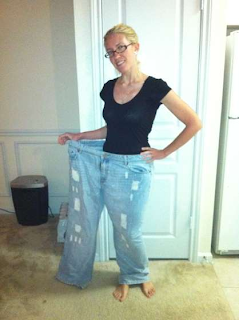

Several years ago, I decided that my life had to change.  I was very overweight, completely sedentary, and ashamed of what I had allowed myself to become.  I had been on so many diets throughout my life and had always gained the weight back.  This time it was worse than ever.  100 pounds to lose.  I committed to losing the weight and making this the very last time.  I lost 100 pounds and this year makes 3 years of maintaining the weight loss.

In this Instructable, I plan to give you an inside look at what it takes to lose a significant amount of weight (100+ pounds) without gimmicks or nonsense, no shakes or pills required.  I also plan on telling you what it takes (mentally and physically) to maintain that weight for as long as you are willing to put forth the effort!
Take heart, friends!  Stop reading diet books!  There is NO secret, only science!

Disclaimer: I do not claim to have lost weight in the very healthiest or best manner possible.  I ate processed food, I partook of sugar substitutes, and I indulged from time to time.  This is the way that I lost weight.  It worked for me and has made me into a very healthy person.  I am at the correct BMI for my height and have a great body fat percentage.  That's not to say that it will be the best way for you or that it can't be done in other ways.  This is the experience of just one woman.  I would also like to stress that you should be consulting your doctor before you begin any kind of new diet or exercise routine.

Step 1 - Prepare Yourself Mentally for Weight Loss


There are some things you need to consider before you begin any weight loss journey that is as big as ours.

-It will not be comfortable.   You spent at least the last few years being comfortable and if you want to lose weight, you're going to have to switch up your routine.  You will step WAY out of your comfort zone.  You are changing your life and the way you treat your body.

-It will not be an overnight change.   There is a reason that people say "weight loss JOURNEY".  This is something that takes time, like anything else that's worth doing.  It may be years before you reach your ultimate goals.   You will have to remember along the way to celebrate the smaller milestones.  Dropping a pants size, going up a resistance level on the elliptical, having a friend notice a difference, even just feeling better about yourself are all great reasons to celebrate.

-There will be temptation.  The world will not stop because you are losing weight.  Every restaurant you love is still open and the food still tastes amazing.  Work is still stressful.  Lounging is still easier than working out.  The people you hang out with are still not making healthy choices.  The only thing that's changing is you.

-Your goal needs to be healthy and realistic.  A woman who has 100 or more pounds to lose should not strive to look like their favorite celebrity.  Likewise a man in the same situation should not expect to look like the guy on the cover of a muscle magazine.  Your primary goal should be health.  Any physical changes should be completely secondary.  Make sure to make your goal weight something within the healthy BMI range.  We will talk about realistic time frames in the next step.

You need to ask yourself if you're willing to accept these facts.  if you're not, you may not be ready.  You will have to go into this thing willing to make changes, withstand temptation, and accept any setbacks or mistakes.

If you are going to do this, the first thing I suggest is to make a point of mentioning it to everyone you know.  Tell them what you're doing and what your goal is so that you get asked about your progress constantly.  Post it on your Facebook and Twitter.  Don't give yourself a chance to cop out.  Put it into your head that this is starting and there's no backing down.

Next up, let's talk basics!

Step 2 - Learn to Set a Healthy Goal


In order to lose weight, we are going to use a principle that is very simple, but tough to understand for some reason for a lot of people:

To lose weight, burn more calories than you consume.

That's really all you need.  We'll talk more about this concept when we go into calorie counting.  For right now, you need to know what constitutes a healthy goal, short and long term.  Let's go through some figures you need to know.

BMI
In order to calculate your BMI (Body Mass Index), you will need to know your current weight.  Now might be a good time to buy a scale and put it in the bathroom.  This website will tell you your BMI and what category this places you in.  It will also tell you what the healthy weight range is for your height.  Many people will argue that using the BMI is not always an accurate way to find a healthy weight loss goal because the system is outdated.  However, I feel that if you take the healthy BMI range and put your goal somewhere in the middle, you can readjust when you make that primary goal.
Ex: I am 5'7" and I weigh 240 pounds.  Currently that puts me in the obese category.  My healthy weight range is between 118 and 159 pounds, so I choose to set a goal weight of 140 pounds initially. 

Daily Caloric Intake
Now you need to figure out how many calories to eat each day in order to get to your goal.  This website has a great calculator for this purpose.  If you put in your basic statistics, the calculator tells you exactly how many calories to eat per day during every week of your diet for the first year.  It will even adjust the amount of calories weekly based on your updated weight.
If you are following my plan, you'll want to put in moderate on the activity level, unless you also have a very active occupation, such as a job that requires you to walk around and stand for most of the day.

There are some things you'll want to keep in mind when you make this goal:
-A healthy amount of weight to lose per week is about 2-5 pounds depending on your starting weight and current physical condition.  If you are planning on losing more per week, I highly recommend consulting a doctor regularly, especially if you currently have any medical conditions.
-A healthy amount of calories to eat per day for most people on a diet is 1200 calories or more.  If you put your goal into the calorie calculator and the calories per day numbers are below 1200 calories, you will want to lower your yearly goal so that you can safely lose less weight within the first year.

Ex: I am 5'7" and 240 pounds.  My goal is a healthy weight of 140 pounds.  I put in the goal of losing 100 pounds in a year, but notice that this puts me under a healthy amount of calories per day toward the end of my plan.  I can either choose to lower my yearly goal on the calculator or go with the current plan with the intention of eating at least 1200 calories per day toward the end of the diet for a slightly slower result toward the end.  I will be losing around 2 pounds per week.  During the first week of the plan, I will want to eat 1762 calories per day.

If you're losing 100 pounds or more and trying to do it safely, expect to spend at least a year working toward your goal and likely more.

Step 3 - Food - Calories In (Introduction)


There is no better way to lose weight than calorie counting.  If you look at any successful weight loss program, one of its main principles is limiting calories, whether you were aware or not.  Food is fuel, and without any activity the fuel is stored.

Brace yourselves, here comes a metaphor:
You now have a daily calorie intake limit.  It's a lot like the money you have in the bank.  If you withdraw too much, something bad happens.  In this case, you gain weight.  If you don't spend it all, something good happens.  In this case, you lose weight.  You are already operating at a deficit if you've set a goal using the calculator, so we're doing great and "saving your funds"!
Here's another way calories are like your money.  You have complete choice of what you spend your funds on.  You are capable of being responsible and making great choices, or being irresponsible and wasting those funds.  For a food to be something worth spending calories on it should be nutritious.  Every day you need fruits and veggies, all your vitamins, and lots of protein, just like your mom told you.  Some people choose to closely monitor this.  I chose not to do this, but to keep it in mind.  If you wish to understand your nutritional goals in more detail, I would suggest this article .

The choices you make will shape the way you feel all day.  You can feel hungry and tired by choosing to spend 300 calories on a candy bar or full and energized by choosing to spend the same calories on whole wheat pretzels and a serving of natural peanut butter.  You've been overspending your caloric funds for years, partly because your choices don't give you the nutrients and energy you need.  We're trying to get more efficient.

That's not to say that you cannot indulge your calorie funds on your old vices, but you have to be realistic.  Let's say that you love a good burrito at your local burrito place.  It has rice,steak, beans, cheese, sour cream, guacamole...YUM!  You look up the number of calories in the burrito: 1100 calories.  Oh no!  That's almost all of your daily intake!  Can you spend your calories on that? Sure.  Will it allow you to fulfill your daily needs?  No.  That's why tightening the belt is about getting creative.  You could go to that same burrito place and have something very tasty and nutritious.  Delete the wrap, make it a bowl.  Get the SMALL bowl with rice, veggies, black beans and grilled chicken.  Sub pico de gallo or salsa for the sour cream and guacamole.  You've just lowered your meal calories to 500 or less and made it much healthier for you.  It's doable.

What you need to do is acquire the tools to understand this new language and execute this new plan.  How do you know how many calories are in something and apply it to your daily goal?

Step 4 - Counting Calories


Supplies
Years ago, counting calories was very confusing.  Your only resource was the food label and often fast food restaurants didn't have their nutritional information readily available.  These days, we have the tools to make it much easier!
Here are the recommended tools you might want to use for calorie counting:

-Smart Phone or Computer
There are tons of free websites out there to help you to lose weight.  One that's available both online and on your smart phone for free is called Daily Burn .  It's the one I use and is very simple to operate.  It gives you a food and workout journal with lots of free content.  The food journal is attached to a searchable database of foods, one of the largest I've seen.  Put in the name of what you're eating and how many servings to get a calorie total and a running total of how many calories you have left for the day.  One of the premium (pay) features of Daily Burn on the iPhone also allows you to scan the barcodes of many products to expedite the calorie logging process.  There are many other great websites and apps for calorie and workout logging.
Here is a small list of some other great ones:
Spark People is a great, user friendly website that gives points for participation and has a social aspect.
LiveStrong is a very popular choice with it's MyPlate program which is also available on smart phone.
Fit Day offers very detailed reports and is available on smart phones.

You may also choose to use a calorie journal and calculator.  A calorie journal can just be a pad of paper with your daily caloric goal written at the top where you write what you are eating and add up your totals.  This is much less user friendly and more time consuming.  I started out using a calorie journal and the only thing I will say about it is that it does force you to think a little bit more about how many calories are in everything as you are writing and calculating, which helps you later on during maintenance. 

-Measuring Cups and Spoons
You cannot get by without these.  Serving sizes for food are usually by the tablespoon or cup.  On occasion they are by ounce, which is why it could be useful to have a food scale, but not necessary.  When you put an item into your food journal, you need to pay close attention to the serving size.  If the serving size is one cup, you need to get out your measuring cup and put that much on a plate.  Likewise, if one serving has too many calories, you can cut that figure in half by only measuring half a cup.

That's really all you need!

Tips and Tricks
Being a dieter for a few years helps you to understand a few things you didn't before.  Here are some things to consider as you count calories:

-Water is your friend!
You need 8 glasses of water every day.  If you aren't hydrated, you run the risk of mistaking your thirst for hunger.  It is always a good idea to drink a glass of water with each meal and 1-2 in between.  This will ensure that you are hydrated throughout the day.

-You can eat more if you make a healthy choice.
If you want to be able to eat a lot of food, choose something healthy and low in calories.  If you are eating cucumber slices dipped in salsa, you'd be surprised how much you can eat before you even get to 100 calories.  You're getting your veggies at the same time.  Instead of eating ice cream for desert, you can eat cups and cups of fruit for the same amount of calories!  It's all about making good choices.

-Invest in some lowered calorie foods!
Some products are designed as prepackaged diet foods, such as ready made frozen meals with low calorie counts or sugar free ice cream/chocolate substitutes with lower calories.  There is nothing wrong with using these foods as tools, but remember that prepackaged foods are not necessarily the best for you.  Some of them are packed with sodium, sugar substitutes or preservatives, things that can set you back because of how they interact with your body.  This should be an option you utilize when you are short on time or having monster cravings.

-Plan ahead.
I would not be sitting here 100 pounds lighter today if I had not planned ahead.  During my free time I would plan my next few days, maybe even a week of meals, then make sure I had shopped for the items, possibly even pre-preparing the meals and freezing them.  It's not always easy work, but it makes your self-control possible when all the other elements of your life are in flux.

-Don't let your feelings get the best of you.
Many of us are hardwired to eat when we are stressed.  Rewire yourself.  This is your cue to take care of yourself better.  If you're stressed, you're going to be forced to fix it, not medicate it with food.  Find a way to breathe deeply, go for a walk, write down your feelings, or just plain do something else when possible.  You'll feel better for it.

Step 5 - Exercise - Calories Out (Introduction)

To continue reading click HERE

Further Reading

Drinking 8 Glasses Of Water A Day Is 'Nonsense,' Doc Says

Fact or Fiction? You Must Drink 8 Glasses of Water Daily

How to lose weight fast? Yahoo tells you a secret

Sugar: The Bitter Truth  (YouTube Video 1hour 29minutes)
Shorter versions of this video is available on YourTube, search for "sugar - the bitter truth the short version"
Robert H. Lustig, MD, UCSF Professor of Pediatrics in the Division of Endocrinology, explores the damage caused by sugary foods. He argues that fructose (too much) and fiber (not enough) appear to be cornerstones of the obesity epidemic through their effects on insulin. Series: UCSF Mini Medical School for the Public [7/2009] [Health and Medicine] [Show ID: 16717]

Saturday, 18 February 2012

This Trick May Force Your Body to Burn 400-500 Extra Calories per Day

By Dr. Mercola

For a number of years, scientists have been studying "brown fat."

Brown fat is a heat-generating type of fat that burnsenergy instead of storing it, and this may have important implications when it comes to weight loss.

Human newborns have a supply of brown fat to keep warm, but by adulthood they lose most of their stores of it.

Brown fat has been located in the neck area, around blood vessels (helping to warm your blood), and "marbled" in with white fat in visceral fat tissue.

In a new study, scientists found that they were able to activate the brown fat still present in adult men by exposing them to cold temperatures.

The men burned more calories when cooled, and lost white fat, the kind that causes obesity.

According to the study's authors1:
"That adult humans possess brown fat is now accepted - but is the brown fat metabolically active? Does human brown fat actually combust fat to release heat?
... Ouellet et al. demonstrate that metabolism in brown fat really is increased when adult humans are exposed to cold.
This boosts the possibility that calorie combustion in brown fat may be of significance for our metabolism and, correspondingly, that the absence of brown fat may increase our proneness to obesity - provided that brown fat becomes activated not only by cold but also through food-related stimuli."

Research has shown that certain groups of people tend to have more brown fat than others, and there are direct correlations between the activation of brown fat and metabolic measures of good health. For example:
  • Slender people have more brown fat than obese people do
  • Younger people have more brown fat than elderly people, and
  • People with normal blood sugar levels have more brown fat than those with high blood sugar

Story at-a-glance
  • Brown fat is a heat-generating type of fat thatburns energy instead of storing it, acting more like muscle than fat
  • Research has shown that brown fat can be activated to burn more fat by cooling your body
  • Studies have also shown that animals convert white fat into brown fat simply by exercising. The conversion is triggered by an enzyme called irisin, which is released by the muscles during exercise. It’s still unclear whether this phenomenon is true for humans as well, but humans do have the same protein
  • According to Tim Ferriss, author of The Four-Hour Body, you may be able to increase your fat burning potential by as much as 300 percent simply by adding ice therapy to your dieting strategy. You can do this by placing an ice pack on your upper back and upper chest for 30 minutes a day; drinking about 500 ml of ice water each morning; taking ice cold showers; and/or immersing yourself in an ice bath three times a week

Read the rest of this valuable article at Mercola.com

Sunday, 12 February 2012

Anabolic Steroids Cause Dangerous Body Fat

FRIDAY, FEBRUARY 10, 2012

A research team at Luleå University of Technology and Umea University has, in a unique study involving ten Swedish elite lifters who are actively using anabolic steroids, studied the effect of Anabolic steroids on body fat. Swedish elite lifters who use anabolic steroids have more dangerous fat distribution in the body.

The research was done at the Department of Medical Sciences at Luleå University of Technology in collaboration with the Sports Medicine Unit at Umeå University and Winternet in Boden. The result is now published in The Journal of Strength & Conditioning Research.

Credit: Istock

We know that the elite lifters who take Anabolic androgenic steroids have a higher possibility to suffer from strokes and heart attacks. The results of this study of how body fat is distributed in elite lifters who use anabolic steroids may be a reason for the increased tendency to suffer from cardiovascular disease, says Anders Eriksson, a researcher at the Medical Science at LTU.

The researcher studied how two different groups of elite lifters store fat in the body. One group had used anabolic steroids and the other had not used steroids. The study showed that elite lifters who use anabolic steroids have significantly lower fat deposits below the waist, that is, lower levels of so-called gynoid fat, than elite lifters who do not take anabolic steroids.

The power lifters in the study have had their bodies scanned in a so called DEXA scanner that is normally used to study osteoporosis, but that can also measure total body composition and fat content in different parts of the body.

LTU-researcher Ander Eriksson was the first in the world in the mid-1990s, to implement documented doping studies directly to persons who actively used the anabolic steroids. At that time he studied the effect on the cellular level by taking muscle tissue samples in the powerlifters who were active users of anabolic steroids, as well as the elite lifters who previously used drugs, and compared the results with different control groups. These studies he carried out as molecular biologist at the Anatomy Institution, at Umeå University.

This research led to that the International Doping Association World Anti-Doping Agency, WADA decided to extend the shutdown option from 2-4 years of professional athletes who have been caught doping.
Contacts and sources:
Story by Katarina Karlsson
Luleå University of Technology 
Posted by Alton Parrish
Read more at Nano Patents and Innovations