Friday, 9 March 2012

Is This Fruit Extract 10,000 Times Better Than Chemo?

Over a quarter of a century ago a study was performed on the seeds of the Soursop fruit, also known as graviola, which at that time demonstrated such amazing cancer-fighting potential, that those exposed to it within the conventional medical community looked upon it with complete incredulity.
Published in the Journal of Natural Products in 1996, Compound 1, one of five extracted from the seed of the graviola fruit, was found to be “selectively cytotoxic to colon adenocarcinoma cells (HT-29) in which it was 10,000 times the potency of adriamycin.” [emphasis added]
Adriamycin is the trade name for the chemoagent doxorubucin and is known by the nickname “red devil,” due to both its deep red color and terrible side effects, which include life-threatening, even fatal damage to the cardiovascular system. This abject lack of “selective cytotoxicity” -- the ability to kill only the cancer cells and not healthy ones  -- is what makes Adriamycin so dangerous. And yet, it has been a first line treatment for a wide range of cancers for almost half a century.
Since the 1996 study, little research on graviola was performed. There was a cell study in 1999 which showed it had anti-prostate and breast cancer activity; another 2002 cell study showed that graviola exhibited anti-hepatoma (liver cancer) activity, but nothing as promising as the original 1996 study ever followed.  
Then, in 2011, the journal Nutrition and Cancer revealed highly promising research on Graviola and breast cancer. Researchers found that graviola fruit extract (GFE) suppressed so-called oncogene (or cancer-causing gene) expression in the cell and animal models of breast cancer. The oncogene known as epidermal growth factor receptor (EGFR) is commonly over-expressed in breast cancer, and therefore an ideal target for therapy.  
According to the researchers:
“A a 5-wk dietary treatment of GFE (200 mg/kg diet) significantly reduced the protein expression of EGFR, p-EGFR, and p-ERK in MDA-MB-468 [breast cancer] tumors by 56%, 54%, and 32.5%, respectively. Overall, dietary GFE inhibited tumor growth, as measured by wet weight, by 32% (P < 0.01).” [emphasis added]
The study authors concluded:
“These data showed that dietary GFE induced significant growth inhibition of MDA-MB-468 cells in vitro and in vivo through a mechanism involving the EGFR/ERK signaling pathway, suggesting that GFE may have a protective effect for women against EGFR-overexpressing BC [breast cancer].” [emphasis added]
Given these findings the time may be ripe for reconsideration of graviola in the prevention and/or treatment of cancers, such as colon and breast cancer. 
Disclaimer: This article is not intended to provide medical advice, diagnosis or treatment. Views expressed here do not necessarily reflect those of GreenMedInfo or its staff.

Find original article HERE

GreenMedInfo is a valuable source of health information and there are many more valuable articles available.

Thursday, 8 March 2012

Prof Tim Noakes on carbohydrates and the Harvey-Banting diet

It is clear that many South Africans are unhappy with the way they eat or with the unpleasant consequences they perceive to be due to their dietary choices, writes Prof Tim Noakes. Read more about his new high-protein, low-carbs dietary approach, explained in his own words.

There has been an extraordinary recent media interest in exactly what Tim Noakes is eating.  Some have even asked for the full details of "Tim Noakes’s diet".  It is clear that many South Africans are unhappy with the way they eat or with the unpleasant consequences that they perceive to be due to their dietary choices.

Prof Tim Noakes
To begin with some initial points. First the eating plan I follow was first prescribed in 1861 by a Harley Street surgeon Mr William Harvey with great success to a corpulent London undertaker, Mr William Banting. Thus it is more appropriately named the Harvey-Banting diet.  In time the term to “bant” was introduced into the English language. It referred to the use of this low carbohydrate diet for weight loss.  Indeed “banting” was the standard treatment for weight loss in all the major European and North American medical schools for nearly 100 years until it suddenly went out of fashion after 1959 when it was written out of all the major medical and nutritional textbooks, to be replaced with its polar opposite, the currently popular low fat, high carbohydrate, “heart healthy” diet.  

Dr Robert Atkins re-discovered “banting” in 1974 and his name is now incorrectly used as if he was the first to describe this eating plan.  The history of Harvey and Banting’s original contribution was re-discovered by Gary Taubes and is described in Taubes’ momentous books Good Calories, Bad Calories and Why we get fat and what to do about it.

Biological needs

Second the reason why this eating plan has been so extraordinarily effective in my case is because it matches precisely my particular biological needs, perhaps because like Mr Banting, my lineage is from England. In brief I inherited from my father and his lineage, a predisposition to develop adult-onset diabetes because I am what is known as “carbohydrate resistant” (CR) and hence “pre-diabetic”.  My biology is such that I am unable effectively to clear from my bloodstream, the breakdown product of ingested carbohydrate, glucose.  As a result my pancreas must over-secrete the hormone, insulin, one of whose normal functions is to direct the glucose from the bloodstream into the liver and muscles.

But instead, in my case, under the action of insulin most of the carbohydrate that I ingest is directed into my fat cells where it contributes to progressive weight gain, continual hunger, lethargy and, in time, pancreatic failure and the onset of the irreversible and universally fatal condition, adult-onset diabetes. I am as certain as I can be that this eating plan is the only effective long-term health solution for anyone who shares this Banting -Noakes biology.

The yet to be answered question is: How many South Africans who are unhappy with the effects of their dietary choices on their bodies, share this same biology?  If it is a majority, then there are many, many South Africans who will benefit from “banting”.  If it is a minority, then relatively few will benefit.  Since most South Africans are already eating diets high in carbohydrates, especially those that are refined, my bias is to believe that many might benefit from this eating plan.

Eating plan for life

The third point is that this is not a diet, it is an eating plan for life – it is a life style, it is a new eating behaviour. This is not the way to go for anyone who wishes a quick fix to lose weight and to improve their health by changing their eating patterns for as short a time as possible.  Once you “bant”, you have to stick with it for life.  Because those who successfully lose weight on this eating pattern will regain that weight and more within a short time of going back to eating the way they did before – that is, returning to eat the foods that precipitated the problem in the first place.

The point is that the metabolic abnormality (CR) driving the problem is not ever going to normalise regardless of how much weight is lost or even how much exercise is performed.  For those of us with CR, our metabolism is the problem and if we want to do the best for our bodies, then we have to change forever the nature of the foods that we eat.  But I argue that this change is much easier than most would ever believe.  Unfortunately it is also the advice that many dieticians may be scared to prescribe for the reason that they have been taught that high fat, low carbohydrate Banting diets full of “artery-clogging” saturated fats are dangerous.  But this is an unsubstantiated dogma that does not stand up to an intelligent and independent interpretation of the complete scientific literature.

So those who are unwilling to commit to a life-long change in their eating behaviours should probably not begin in the first place.

Addiction

For to change one has to rid oneself of an addiction for easily assimilated carbohydrates – an addiction that is at least as powerful as those associated with cigarette consumption and some recreational drugs like heroin.  It is not easy to give up addictions.  And like all addictions, addicts have to take each moment of their recovery one day at a time.  In a sense those of us who are unable to metabolise carbohydrates, are never cured of that addiction.  We are always in recovery.  We have to take each new day of our cure, one day at a time.

But for those who like me are convinced that they have a really good reason to change (in my case to avoid dying from adult-onset diabetes – the fate that struck my father and his brother) and are prepared to change what we eat for the rest of our lives, then we may be up for the challenge.

The fourth point is that this is not a “fad” diet  - the reason why it works so well is because there are solid biological reasons why it must produce a successful outcome if followed faithfully by those with CR.

Discipline for success

The fifth point is that this eating plan requires some initial discipline to be successful.  As I have said, it takes discipline to insure that we do not relapse into our former addiction. Those who will be the most likely fully to commit to this change are those who have the greatest reason for and desire to change.  Initially I had the greatest motivation to change – I do not want slowly to degenerate in the demeaning grip of adult-onset diabetes.  I then discovered that once I had rid myself of my addictive food choices especially rapidly assimilated carbohydrates, I felt so incredibly good that I would never want to go back to my former eating ways.

So now I have two reasons to stay with this eating plan – a better (but not absolute) prospect of long-term health and the vigorous feelings of a renewed youth.

The point is that the greater one’s reasons for change, the more probable it is that one will stay with the plan long enough to see these benefits.  For the point is that addictions are incredibly powerful.  And at least initially the brain will rebel and produce a range of (fake) symptoms in an attempt to keep one searching for the food choices to which it has become addicted.  One has to call the brain’s bluff until eventually it relents and these addictive drives are replaced with renewed feelings of vigour and the power of control over one’s food choices.

Athletic ability

The sixth point is that many wish to know how this change might affect their athletic abilities since they have been led to believe, not least by my writings in Lore of Running, that without a high carbohydrate intake they will be unable to exercise properly. What I now understand is that carbohydrates are relatively ineffective fuels for those with CR so that there is no risk that the exercise performance of those with CR will be impaired if they cut their carbohydrate intake as have I.  Instead I am certain that the less carbohydrate that those with CR ingest (both in training and in racing), the better they will perform.

My experiment has shown me that I can do any amount of exercise I wish without increasing my carbohydrate intake.  (I walk for 6 hours on the mountain and race up to 21km without needing any more the 50-75 grams of carbohydrates a day that is already in my diet).  We are currently researching a group of serious and some elite athletes who have adopted the Banting diet and who have found that their performances have improved substantially with weight loss and reduction of their carbohydrate intakes both before and during racing.  We need to understand why this is possible.

Not for everyone

However those who can metabolise carbohydrates efficiently and who have always been lean despite eating a high carbohydrate diet may not benefit in any way from this eating plan.  I would not advise any athlete who is lean and quite happy with his or her weight and performances to change to this eating plan since it might not make a difference and might even be detrimental.

On the other hand I have noticed that there are a large number of slower finishers in the Argus Cycle Tour and in the Comrades Marathon who are, to put it scientifically, either overweight - body mass index (BMI) greater than 25kg/m2 or frankly obese (BMI greater than 30kg/m2).  The point is that the BMI is an excellent proxy for whether or not one is eating the right amount of energy each day.  If the BMI is greater than 25kg/m2 in males (somewhat less for females), one is eating more than one should.

For there is also evidence that, within reason, the less one eats, the more likely it is that one will stay healthy for longer.  Which raises the question:  Why do those with BMIs greater than 25kg/m2 continue to eat too much even if they are exercising enough to compete in the Argus and the Comrades?  The answer in my case was clear. It was not that I was gluttonous or lazy – the more usual explanation.  It was because my brain was receiving false signals – based on my CR and the addictive effect of carbohydrates - about how much I really needed to eat.  Once I corrected the signalling to my brain by adopting a high fat, low carbohydrate diet, I lost the urge to overeat.

Overweight cyclists and runners

My conclusion is that there are many overweight or obese cyclists and runners who are eating a high carbohydrate diet because that is what they think they should be eating because they are “athletes” (and Lore of Running says that athletes must maximise their carbohydrate intakes to optimise their performances).

But they do not understand (as I did not until I switched) that because of their CR, their high carbohydrate diet is simply making them fatter and less healthy, despite all the exercise.  If they were to “bant” they would bring their BMIs back to the safer values of 25kg/m2.   This weight loss would substantially improve their running and cycling times (by hours) without the need to do even one additional kilometre in training.  I reduced my recent best 21km time by 40 minutes in this way.

Children and carbs

The seventh point is that babies particularly should not be placed on high carbohydrate diets since the proper development of their brains (and facial structures) requires that the majority of their calories comes from fat and protein.  Yet many baby formulas are full of sugar and carbohydrate and cannot provide the proper nutrients for optimum development during childhood.

Similarly children who are obese already at a young age will most likely have CR and carbohydrate addiction and would benefit enormously by “banting”.   There is also growing interest that, at the other end of the age spectrum, the elderly brain (like mine) requires a high fat intake to protect it from the detrimental effects of aging.

Are you carbohydrate resistant?

The final point is how does one determine if one is CR or not. First is the family history.  If there is a close family member with adult-onset diabetes, then one is more likely to be CR.  Second is one’s weight history.  Those who were heavy (obese) as children are very likely to be CR.  Alternatively a history of progressive weight gain through adult life or with pregnancy or at the menopause, and an inability to forestall weight gain when eating a high carbohydrate diet is also very suggestive.  Frequent failed attempts to lose weight when following the more usual calorie-restricted but still high carbohydrate diet, is also highly suggestive.

Finally when the CR is advanced it can be diagnosed with certainty with a fasting blood sample that shows elevated fasting glucose, insulin and glycosylated haemoglobin concentrations.  If any of these three values is elevated, it is a sure indication that one is heading for adult-onset diabetes and the quicker one adopts a preventive, low carbohydrate diet, the better.

Dietary choices

So now to my dietary choices.  Recall that I am profoundly CR so that I must restrict carbohydrates as much as possible to delay the onset of diabetes for as long as possible, hopefully for ever so that I will succumb from some other, less destructive (but) terminal illness.  So I restrict the intake of the foods listed below.  I have found it easiest simply to remove all from my diet.  Those with lesser degrees of CR (and carbohydrate addiction) will not need to be as restrictive as am I.

  • Sugar (Must be completely removed from your diet)
  • All sugary drinks including cola drinks and sweetened fruit juices
  • Bread
  • Rice
  • Pasta
  • Potatoes
  • Porridge
  • Breakfast cereals
  • Some high energy fruits like bananas
  • All confectionery – cakes and sweets
  • Desserts containing sugar and carbohydrates
  • Artificial sweeteners and products containing these products (like “diet” colas)
  • Vegetable oils containing high concentrations of omega 6 fatty acids

I also warn everyone to be very wary of so-called “low-fat” “healthy” options, yoghurt especially, since these are laden with sugar and so are less healthy than are the full fat options. In fact one needs to check the sugar contents of all the foods that one eats.  It is astonishing how many contain hidden sugar (which is of course there for a very good reason – for it is addictive, driving the overconsumption of the foodstuffs into which it is added).

I think that most dieticians would agree that none of the foods listed above is essential for health and some like sugar and other refined carbohydrates are definitely unhealthy.  Some dieticians argue that whole grain cereals should be included because they are “healthy” but I have had difficulty finding whole grain cereals that have not been heavily refined.

It is also clear that allergies to grains and cereals are commoner than is realised and I wonder if some of the benefit I have derived might not be due to removal of some undetected allergens in cereals or grains.  Indeed I have “cured” myself completely of two allergic (respiratory) conditions and one gastrointestinal complaint since adopting this eating plan.

Making choices

However the real point is that if one is as CR as am I, one has to make choices of (i) how much carbohydrate one wants to eat each day.  I limit myself to between 50-75 grams a day as that is the amount that allows me to regulate my body weight effortlessly without hunger – and (ii) which carbohydrate sources will provide that scanty amount of carbohydrate. I have chosen to get my miserly grams of carbohydrate from highly nutritious vegetables and dairy produce, not from whole grain cereals.  Others might be advised to make a different choice.

As a result, I restrict my food choices to the following food and beverage groups:

  • Eggs – from free range hens
  • Fish – an excellent source of omega 3 fatty acids
  • Meat – not processed and preferably from sources that are organically raised eating grass.  This group includes biltong, preferably game or ostrich.
  • Dairy Produce – milk, cheese and yoghurt – all full cream and from organically fed cows.
  • Vegetables – mainly leafy, low carbohydrate sources like lettuce but also including broccoli, tomatoes, mushrooms, onions, avocado and many others.  The choice is based on their nutrient value and their low carbohydrate content.
  • Nuts – especially macadamias, walnuts and almonds but specifically excluding the non-nuts, peanuts and cashews which are high in carbohydrates.
  • Fruits – only those which have a lower carbohydrate content like berries and apples.
  • Water, tea and coffee (all unsweetened)!

I eat my fill from these food groups and am no longer hungry.  In fact my preferred choice is now to eat a “proper meal” only once every 12-24 hours.  I wonder whether humans are truly designed by our evolutionary history to eat large meals, three times every 12 hours (during the day).

Omega-3 fatty acids

I also currently supplement my eating with omega-3 fatty acid capsules (1.6 - 2 g/day). The value of omega-3 supplementation seems to be universally accepted.  I am also experimenting with supplementation of a range of vitamins but this is still a work in progress as is my choice of the best vegetables and salads to limit the CR and two other medical tendencies that genetic testing has revealed.

I do not believe that I have the final answers and am continually reading the scientific literature and the internet and tweaking my diet. I will continue to modify my eating by studying the literature, eating differently for periods and seeing if I notice any differences in how I feel, in my blood markers and in my running performances.  But the basic pattern of severely restricting my carbohydrate intake remains completely non-negotiable.

Obviously it is stupid to go to the trouble of changing one’s eating plan but continuing to do other behaviours that are unhealthy.  So smoking is not allowed and lots of exercise is encouraged – 30 to 60 minutes a day of sweating exercise on most days of the week.  Proper sleep and control of stress are obviously very important as well.

The benefits of low-GI carbs

I am only too aware that we are all different and whereas too much carbohydrate and cereal and too little fat in the diet was clearly my problem, there are others who may have trouble with dairy produce or meat and may find it difficult to eat enough of these foodstuffs to replace enough carbohydrate in their diets for there to be a noticeable difference in the way they feel.

I also appreciate that there is little biological reason why those without CR would benefit from this eating plan.  Indeed for reasons that I do not yet fully understand, there clearly are many who will lose weight by doing the exact opposite from what I have proposed, that is by replacing the fat and rapidly assimilated carbohydrates in their diet with an abundance of slowly absorbed, low GI carbohydrates.  But many of those who are interested in “my” diet have probably already tried that option and found that it does not work for them.

Consult a dietician

A number of people have asked me to provide a specific eating plan.  I am reluctant to do that because I am not a professional dietician and I do not see this as my role.  Instead my advice is that one should consult a registered dietician for help.  I appreciate that there are dieticians who are reluctant to prescribe the Harvey/Banting diet because it conflicts so absolutely with what they have been taught to be true.  But perhaps if enough South Africans approach enough dieticians and tell them they want to “bant”, we may be able to influence their profession to reconsider the scientific basis for what they believe so ardently to be true.  And to consider that perhaps there is more than one single eating plan for all who wish to lose weight.

Finally the internet is full of information about the low carbohydrate revolution. Type in low carbohydrate or Paleo diet into Google and start searching.  I list below a few (in no special order) and include books that may be helpful.

  • Gary Taubes – Good Calories Bad Calories and Why we get fat and what to do about it.  Perhaps two of the most important health books of the past 50 years.
  • Mark Sisson – The Primal Blueprint – Book and internet site.
  • Dr Westman and colleagues -  New Atkins Diet for the New You – Book and internet site.
  • Pierre Dukan – The Dukan Diet – Book and internet site.
  • Loren Cordain – The Paleo Diet – Book and internet site.

For extra motivation to see what can be achieved in a short space of time try this:

The Brentwood Diet

Incidentally I am aware of a medical colleague in Cape Town who lost 100kg in 1 year, going from 175 to 75kg as she overcame her carbohydrate addiction.  Such is the power of this eating plan when followed by those with severe CR.

Finally I believe we are rapidly approaching a tipping point when the value of this eating plan will become more universally accepted.  The Scandinavian countries – which already have the healthiest people in the world - are rapidly adopting this eating pattern to the extent that Norway has run out of butter!  (Norwegians have always eaten high-fat diets and are perhaps the world’s healthiest nation).

Good luck!

(Written by Prof Tim Noakes, OMS, MD, DSc, PhD (hc). University of Cape Town and Sports Science Institute of South Africa. He discusses this topic in his latest book  Challenging beliefs - Memoirs of a career (co-authored with Michael Vlismas)

This original Health24 (March 2012) article can be found HERE

Read more:

The website of Dr. Joseph Mercola for the latest most up to date information on health at www.mercola.com
The Daily Dose Archives by Dr. William Campbell Douglass II, M.D. (The Douglas Report)

Also see:
Protein vs. carbs: the great debate
Slideshow: 10 foods with hidden sugar
Nutrition basics: a healthy balance
Prof Tim Noakes: against the grains

Scientists Find 'Baffling' Link between Autism and Vinyl Flooring

By Dr. Mercola | April 25 2009
Children who live in homes with vinyl floors, which can emit chemicals called phthalates, are more likely to have autism, according to new research. The study is among the first to find an apparent connection between an environmental chemical and autism.

The scientists were surprised by their finding, especially since their research was not initially designed to focus on autism. The researchers recommend further study of larger numbers of children to see whether the link can be confirmed.

In the study, families were asked questions about flooring as part of research investigating allergies and indoor air pollutants. The researchers found instead that four environmental factors were associated with autism -- vinyl flooring, the mother's smoking, family economic problems and condensation on windows (which can be an indicator of poor ventilation).

Infants or toddlers who lived in bedrooms with vinyl floors were twice as likely to have autism five years later.

Read the rest of Dr. Mercola's article HERE

Wednesday, 7 March 2012

The top 10 best foods for burning belly fat

For women marching through middle age, belly fat seems a fact of life. However, recent studies on belly fat have revealed that belly fat may no longer be common only among women in their 50's. Certain factors like stress and a sedentary lifestyle have resulted in a rise in obesity and a growing concern about weight loss.

Moreover, the discovery that obesity actually has health-related conditions like diabetes has jump-started a million-dollar industry on weight loss products. From popular diets to supplements and even exercise accessories, the customer only has to look around to find a variety of fad options to choose from. This is not even counting the medical procedures available for the very obese and those who have not lost weight through medicine, exercise or diet.

Healthy optionsIn the face of all the expensive weight loss programs, it is still possible to lose weight without having to resort to all the fad diets, supplements and drastic measures such as liposuction that may do more harm than good in the long run. Fortunately, abdominal obesity can be easily lost through proper diet and exercise.

In 2004, a study published in The New England Journal of Medicine revealed that liposuction removal of subcutaneous fat on 15 obese subjects had no effect on the levels of their blood sugar, blood pressure, response to insulin or cholesterol. However, it was discovered that weight loss through exercise and diet triggered positive health changes.

Moreover, losing fat by starving yourself may not be the best idea either. Starvation, ironically, induces the body to store fat because it slows down the metabolism. If you have been reading up on weight loss, you would have stumbled upon the idea of a low calorie diet. Low-calorie diets are effective in losing abdominal fat; however, once the hunger pangs become a regular occurrence, the diet becomes difficult to maintain and at the first possible opportunity, binging can occur.

Furthermore, low calorie diets are not without inconvenient side effects such as mood swings, poor memory and hair loss to name a few. The symptoms worsen over time and can develop into illnesses or diseases, totally defeating the purpose of why it was necessary to lose weight for health in the first place.

Knowing what to eatTo eat generously does not have to mean to eat irresponsibly. The important thing to remember is to eat natural and nutrient-dense foods as well as whole foods that the body understands how to use to properly. Below are some examples:

1. Apples - There is wisdom to the saying, an apple a day keeps the doctor away. In a Brazilian weight study, subjects who ate three apples a day while dieting lost more weight than those who didn't. This fruit contains pectin, a compound that is known to inhibit colon cancer. Apples are packed with nutrients and are a rich source of vitamin C, beta-carotene, dietary fiber, phytosterol, flavonoids, antioxidants, vitamins and minerals.

2. Watermelons - In a study conducted by the University of Kentucky, watermelon was found to have a significant effect on artery plaque deposition because it altered blood lipids and lowered the risk of developing belly fat. The researchers in the study observed that animal subjects in the experiment who had diet-induced high cholesterol were given a supplement of watermelon juice while another group was given a typical diet with water. Eight weeks later, the animals given watermelon juice had lower body weight than those who were just given water. It appeared that there was no decrease in muscle mass and the weight loss was due to abdominal fat loss.

3. Tomatoes - A large tomato contains only around 33 calories. Moreover, a recent study identified a compound extracted specifically from the fruit called 9-oxo-octadecadienoic (9-oxo-ODA) which was shown to influence the amount of blood lipids in circulation.According to Dr. Teruo Kawada, the study leader, "finding a compound which helps the prevention of obesity-related chronic diseases in food stuff is a great advantage to tackling these diseases, and tomato allows people to manage the onset of dyslipedemia through their daily diet." According to Wikipedia, Dyslipedemia is a condition where there is too much lipid in the blood. This normally caused by diet and lifestyle.

4. Bananas - This is a fruit you can enjoy as a nutritious snack without ever worrying about gaining weight. Like apples, it contains a fiber called pectin that is known to inhibit colon cancer. It also contains vitamin A, C, E, B6 as well as potassium, calcium and magnesium. Bananas, depending upon the size, contain calories between 75 calories to 135 calories only.

5. Seafood - Seafood, when included in the diet, could result in a slimmer waist and better health. For those enjoying excellent health and ideal body weight, having seafood on a regular basis may even prevent possible future poor health and weight gain. Studies have shown that seafood has been found to contain monounsaturated fat (MUFA). Studies have also shown that having a regular diet with foods containing MUFA can prevent belly fat.

6. Lamb - Lamb contains vitamin B, protein, zinc and trytophan. This is certainly a better option to processed or canned meat, and is a healthy source of protein. Lamb contains conjugated linoleic acid. According to Dr. James Howenstine, author of "A Physician's Guide to Natural Health Products That Work," low levels of conjugated linoleic acid in the body can lead to obesity since dietary fat cannot be used as energy and is moved into cells resulting in fat storage. Editor's note: I cannot condone eating lamb due to humanitarian reasons. Lambs are mammals, and it would be far less damaging to living beings if you chose to eat a simpler lifeform instead, such as fish.

7. Tart cherries - In a study conducted by the University of Michigan, it was found that a diet containing tart cherries may help lower symptoms of heart disease and metabolic syndrome. Metabolic syndrome is a term used to refer to a group of symptoms which increase the risk of a host of heart diseases, diabetes and belly fat. In the study, the animal subjects had reduced cholesterol levels and a fat content of only 54 percent compared to the non-cherry fed group of 63 percent belly fat. Tart cherries have also been identified to have antioxidant properties.

8. Celery - Celery is a negative calorie food containing only eight calories. It is high in vitamin C, calcium and is best enjoyed raw. Enjoying fresh celery juice before a meal can even help you lose weight. It contains apigenin, an active compound that slashes the risk of ovarian cancer.

9. Avocados - This fruit has anti-bacterial and anti-fungal properties. It contains the amino acid lecithin - which helps in preventing liver overload - and aids the memory and helps balance weight. In one study, it was discovered that people who ate a considerable amount of avocados showed clear improvement in health. It balances cholesterol levels and prevents heart attacks and strokes.

10. Kelp noodles - According to NaturalNews.com, kelp noodles are a good alternative for those who love traditional noodles. They are made from seaweed and contain only six calories. They are raw and mineral rich and can be used like any regular noodles.

It's time to reconsider the low-calorie dieting theory and recognize that only natural foods can properly nourish the body and help it rebuild itself. Food can actually help us in attaining good health and proper weight management. When coupled with exercise, it can help us achieve sustainable weight loss, avoid obesity, prevent a host of other chronic diseases and increase health benefits that directly improve our quality of life.

Sources for this article:

http://www.health.harvard.edu

http://www.naturalnews.com

http://www.calories-in-foods.com/calories-in-banana.php

http://en.wikipedia.org/wiki/Dyslipidemia

http://www.sciencedaily.com/releases/2011/01/110106071154.htm

Originally posted HERE

Tuesday, 6 March 2012

How to Lose 100+ Pounds and Keep it Off For Life


Author:miss_ali1984(Ali)

I am a 26 year old teacher and runner. I love to spend time making things and learning how to do something new. I love making things that make me a more efficient teacher. Most of all I love helpin...


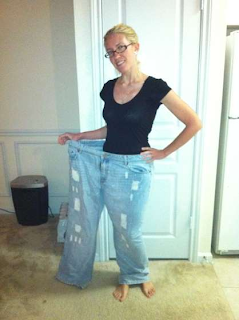
Several years ago, I decided that my life had to change.  I was very overweight, completely sedentary, and ashamed of what I had allowed myself to become.  I had been on so many diets throughout my life and had always gained the weight back.  This time it was worse than ever.  100 pounds to lose.  I committed to losing the weight and making this the very last time.  I lost 100 pounds and this year makes 3 years of maintaining the weight loss.

In this Instructable, I plan to give you an inside look at what it takes to lose a significant amount of weight (100+ pounds) without gimmicks or nonsense, no shakes or pills required.  I also plan on telling you what it takes (mentally and physically) to maintain that weight for as long as you are willing to put forth the effort!
Take heart, friends!  Stop reading diet books!  There is NO secret, only science!

Disclaimer: I do not claim to have lost weight in the very healthiest or best manner possible.  I ate processed food, I partook of sugar substitutes, and I indulged from time to time.  This is the way that I lost weight.  It worked for me and has made me into a very healthy person.  I am at the correct BMI for my height and have a great body fat percentage.  That's not to say that it will be the best way for you or that it can't be done in other ways.  This is the experience of just one woman.  I would also like to stress that you should be consulting your doctor before you begin any kind of new diet or exercise routine.

Step 1 - Prepare Yourself Mentally for Weight Loss


There are some things you need to consider before you begin any weight loss journey that is as big as ours.

-It will not be comfortable.   You spent at least the last few years being comfortable and if you want to lose weight, you're going to have to switch up your routine.  You will step WAY out of your comfort zone.  You are changing your life and the way you treat your body.

-It will not be an overnight change.   There is a reason that people say "weight loss JOURNEY".  This is something that takes time, like anything else that's worth doing.  It may be years before you reach your ultimate goals.   You will have to remember along the way to celebrate the smaller milestones.  Dropping a pants size, going up a resistance level on the elliptical, having a friend notice a difference, even just feeling better about yourself are all great reasons to celebrate.

-There will be temptation.  The world will not stop because you are losing weight.  Every restaurant you love is still open and the food still tastes amazing.  Work is still stressful.  Lounging is still easier than working out.  The people you hang out with are still not making healthy choices.  The only thing that's changing is you.

-Your goal needs to be healthy and realistic.  A woman who has 100 or more pounds to lose should not strive to look like their favorite celebrity.  Likewise a man in the same situation should not expect to look like the guy on the cover of a muscle magazine.  Your primary goal should be health.  Any physical changes should be completely secondary.  Make sure to make your goal weight something within the healthy BMI range.  We will talk about realistic time frames in the next step.

You need to ask yourself if you're willing to accept these facts.  if you're not, you may not be ready.  You will have to go into this thing willing to make changes, withstand temptation, and accept any setbacks or mistakes.

If you are going to do this, the first thing I suggest is to make a point of mentioning it to everyone you know.  Tell them what you're doing and what your goal is so that you get asked about your progress constantly.  Post it on your Facebook and Twitter.  Don't give yourself a chance to cop out.  Put it into your head that this is starting and there's no backing down.

Next up, let's talk basics!

Step 2 - Learn to Set a Healthy Goal


In order to lose weight, we are going to use a principle that is very simple, but tough to understand for some reason for a lot of people:

To lose weight, burn more calories than you consume.

That's really all you need.  We'll talk more about this concept when we go into calorie counting.  For right now, you need to know what constitutes a healthy goal, short and long term.  Let's go through some figures you need to know.

BMI
In order to calculate your BMI (Body Mass Index), you will need to know your current weight.  Now might be a good time to buy a scale and put it in the bathroom.  This website will tell you your BMI and what category this places you in.  It will also tell you what the healthy weight range is for your height.  Many people will argue that using the BMI is not always an accurate way to find a healthy weight loss goal because the system is outdated.  However, I feel that if you take the healthy BMI range and put your goal somewhere in the middle, you can readjust when you make that primary goal.
Ex: I am 5'7" and I weigh 240 pounds.  Currently that puts me in the obese category.  My healthy weight range is between 118 and 159 pounds, so I choose to set a goal weight of 140 pounds initially. 

Daily Caloric Intake
Now you need to figure out how many calories to eat each day in order to get to your goal.  This website has a great calculator for this purpose.  If you put in your basic statistics, the calculator tells you exactly how many calories to eat per day during every week of your diet for the first year.  It will even adjust the amount of calories weekly based on your updated weight.
If you are following my plan, you'll want to put in moderate on the activity level, unless you also have a very active occupation, such as a job that requires you to walk around and stand for most of the day.

There are some things you'll want to keep in mind when you make this goal:
-A healthy amount of weight to lose per week is about 2-5 pounds depending on your starting weight and current physical condition.  If you are planning on losing more per week, I highly recommend consulting a doctor regularly, especially if you currently have any medical conditions.
-A healthy amount of calories to eat per day for most people on a diet is 1200 calories or more.  If you put your goal into the calorie calculator and the calories per day numbers are below 1200 calories, you will want to lower your yearly goal so that you can safely lose less weight within the first year.

Ex: I am 5'7" and 240 pounds.  My goal is a healthy weight of 140 pounds.  I put in the goal of losing 100 pounds in a year, but notice that this puts me under a healthy amount of calories per day toward the end of my plan.  I can either choose to lower my yearly goal on the calculator or go with the current plan with the intention of eating at least 1200 calories per day toward the end of the diet for a slightly slower result toward the end.  I will be losing around 2 pounds per week.  During the first week of the plan, I will want to eat 1762 calories per day.

If you're losing 100 pounds or more and trying to do it safely, expect to spend at least a year working toward your goal and likely more.

Step 3 - Food - Calories In (Introduction)


There is no better way to lose weight than calorie counting.  If you look at any successful weight loss program, one of its main principles is limiting calories, whether you were aware or not.  Food is fuel, and without any activity the fuel is stored.

Brace yourselves, here comes a metaphor:
You now have a daily calorie intake limit.  It's a lot like the money you have in the bank.  If you withdraw too much, something bad happens.  In this case, you gain weight.  If you don't spend it all, something good happens.  In this case, you lose weight.  You are already operating at a deficit if you've set a goal using the calculator, so we're doing great and "saving your funds"!
Here's another way calories are like your money.  You have complete choice of what you spend your funds on.  You are capable of being responsible and making great choices, or being irresponsible and wasting those funds.  For a food to be something worth spending calories on it should be nutritious.  Every day you need fruits and veggies, all your vitamins, and lots of protein, just like your mom told you.  Some people choose to closely monitor this.  I chose not to do this, but to keep it in mind.  If you wish to understand your nutritional goals in more detail, I would suggest this article .

The choices you make will shape the way you feel all day.  You can feel hungry and tired by choosing to spend 300 calories on a candy bar or full and energized by choosing to spend the same calories on whole wheat pretzels and a serving of natural peanut butter.  You've been overspending your caloric funds for years, partly because your choices don't give you the nutrients and energy you need.  We're trying to get more efficient.

That's not to say that you cannot indulge your calorie funds on your old vices, but you have to be realistic.  Let's say that you love a good burrito at your local burrito place.  It has rice,steak, beans, cheese, sour cream, guacamole...YUM!  You look up the number of calories in the burrito: 1100 calories.  Oh no!  That's almost all of your daily intake!  Can you spend your calories on that? Sure.  Will it allow you to fulfill your daily needs?  No.  That's why tightening the belt is about getting creative.  You could go to that same burrito place and have something very tasty and nutritious.  Delete the wrap, make it a bowl.  Get the SMALL bowl with rice, veggies, black beans and grilled chicken.  Sub pico de gallo or salsa for the sour cream and guacamole.  You've just lowered your meal calories to 500 or less and made it much healthier for you.  It's doable.

What you need to do is acquire the tools to understand this new language and execute this new plan.  How do you know how many calories are in something and apply it to your daily goal?

Step 4 - Counting Calories


Supplies
Years ago, counting calories was very confusing.  Your only resource was the food label and often fast food restaurants didn't have their nutritional information readily available.  These days, we have the tools to make it much easier!
Here are the recommended tools you might want to use for calorie counting:

-Smart Phone or Computer
There are tons of free websites out there to help you to lose weight.  One that's available both online and on your smart phone for free is called Daily Burn .  It's the one I use and is very simple to operate.  It gives you a food and workout journal with lots of free content.  The food journal is attached to a searchable database of foods, one of the largest I've seen.  Put in the name of what you're eating and how many servings to get a calorie total and a running total of how many calories you have left for the day.  One of the premium (pay) features of Daily Burn on the iPhone also allows you to scan the barcodes of many products to expedite the calorie logging process.  There are many other great websites and apps for calorie and workout logging.
Here is a small list of some other great ones:
Spark People is a great, user friendly website that gives points for participation and has a social aspect.
LiveStrong is a very popular choice with it's MyPlate program which is also available on smart phone.
Fit Day offers very detailed reports and is available on smart phones.

You may also choose to use a calorie journal and calculator.  A calorie journal can just be a pad of paper with your daily caloric goal written at the top where you write what you are eating and add up your totals.  This is much less user friendly and more time consuming.  I started out using a calorie journal and the only thing I will say about it is that it does force you to think a little bit more about how many calories are in everything as you are writing and calculating, which helps you later on during maintenance. 

-Measuring Cups and Spoons
You cannot get by without these.  Serving sizes for food are usually by the tablespoon or cup.  On occasion they are by ounce, which is why it could be useful to have a food scale, but not necessary.  When you put an item into your food journal, you need to pay close attention to the serving size.  If the serving size is one cup, you need to get out your measuring cup and put that much on a plate.  Likewise, if one serving has too many calories, you can cut that figure in half by only measuring half a cup.

That's really all you need!

Tips and Tricks
Being a dieter for a few years helps you to understand a few things you didn't before.  Here are some things to consider as you count calories:

-Water is your friend!
You need 8 glasses of water every day.  If you aren't hydrated, you run the risk of mistaking your thirst for hunger.  It is always a good idea to drink a glass of water with each meal and 1-2 in between.  This will ensure that you are hydrated throughout the day.

-You can eat more if you make a healthy choice.
If you want to be able to eat a lot of food, choose something healthy and low in calories.  If you are eating cucumber slices dipped in salsa, you'd be surprised how much you can eat before you even get to 100 calories.  You're getting your veggies at the same time.  Instead of eating ice cream for desert, you can eat cups and cups of fruit for the same amount of calories!  It's all about making good choices.

-Invest in some lowered calorie foods!
Some products are designed as prepackaged diet foods, such as ready made frozen meals with low calorie counts or sugar free ice cream/chocolate substitutes with lower calories.  There is nothing wrong with using these foods as tools, but remember that prepackaged foods are not necessarily the best for you.  Some of them are packed with sodium, sugar substitutes or preservatives, things that can set you back because of how they interact with your body.  This should be an option you utilize when you are short on time or having monster cravings.

-Plan ahead.
I would not be sitting here 100 pounds lighter today if I had not planned ahead.  During my free time I would plan my next few days, maybe even a week of meals, then make sure I had shopped for the items, possibly even pre-preparing the meals and freezing them.  It's not always easy work, but it makes your self-control possible when all the other elements of your life are in flux.

-Don't let your feelings get the best of you.
Many of us are hardwired to eat when we are stressed.  Rewire yourself.  This is your cue to take care of yourself better.  If you're stressed, you're going to be forced to fix it, not medicate it with food.  Find a way to breathe deeply, go for a walk, write down your feelings, or just plain do something else when possible.  You'll feel better for it.

Step 5 - Exercise - Calories Out (Introduction)

To continue reading click HERE

Further Reading

Drinking 8 Glasses Of Water A Day Is 'Nonsense,' Doc Says

Fact or Fiction? You Must Drink 8 Glasses of Water Daily

How to lose weight fast? Yahoo tells you a secret

Sugar: The Bitter Truth  (YouTube Video 1hour 29minutes)
Shorter versions of this video is available on YourTube, search for "sugar - the bitter truth the short version"
Robert H. Lustig, MD, UCSF Professor of Pediatrics in the Division of Endocrinology, explores the damage caused by sugary foods. He argues that fructose (too much) and fiber (not enough) appear to be cornerstones of the obesity epidemic through their effects on insulin. Series: UCSF Mini Medical School for the Public [7/2009] [Health and Medicine] [Show ID: 16717]

Sunday, 4 March 2012

Has Gluten Intolerance Replaced Candida as the Latest Popular Diagnosis?

Is gluten the new Candida?

Much of the therapeutics I was taught as part of my pharmacy degree is now of historical interest only. New evidence emerges, and clinical practice change. New treatments replace old ones – sometimes because they’re demonstrably better, and sometimes because marketing trumps evidence. The same changes occurs in the over-the-counter section of the pharmacy, but it’s here marketing seems to completely dominate. There continues to be no lack of interest in vitamin supplements, despite a growing body of evidence that suggests either no benefit, or possible harm, with many products. Yet it’s the perception that these products are beneficial seem to be seem to continue to drive sales. Nowhere is this more apparent than in areas where it’s felt medical needs are not being met. I covered one aspect a few weeks ago in a post on IgG food intolerance blood tests which are clinically useless but sold widely. The diagnosis of celiac disease came up in the comments, which merits a more thorough discussion: particularly, the growing fears over gluten consumption. It reminds me of another dietary fad that seems to have peaked and faded: the fear of Candida.

It wasn’t until I left pharmacy school and started speaking with real patients that I learned we are all filled with Candida – yeast. Most chronic diseases could be traced back to candida, I was told. And it wasn’t just the customers who believed it. One particular pharmacy sold several different kits that purported to eliminate yeast in the body. But these didn’t contain antifungal drugs – most were combinations of laxative and purgatives, combined with psyllium and bentonite clay, all promising to sponge up toxins and candida and restore you to an Enhanced State of Wellness™. There was a strict diet to be followed, too: No sugar, no bread – anything it was thought the yeast would consume. While you can still find these kits for sale, the enthusiasm for them seems to have waned. Whether consumers have caught on that these kits are useless, or have abandoned them because they don’t actually treat any underlying medical issues, isn’t clear.

The trend (which admittedly is hard to quantify) seems to have shifted, now that there’s a new dietary orthodoxy to question. Yeast is out. The real enemy is gluten: consume it at your own risk. There’s a growing demand for gluten labeling, and food producers are bringing out an expanding array of gluten-free (GF) foods. This is fantastic news for those with celiac disease, an immune reaction to gluten, where total gluten avoidance is essential. Only in the past decade or so has the true prevalence of celiac disease has become clear: about 1 in 100 have the disease. With the more frequent diagnosis of celiac disease, the awareness of gluten, and the harm it can cause to some, has soared. But going gluten free isn’t just for those with celiac disease. Tennis star Novak Djokovic doesn’t have celiac disease, but went on a GF diet. Headlines like “Djokovic switched to gluten-free diet, now he’s unstoppable on court” followed. Among children, there’s the pervasive but unfounded linkage of gluten consumption with autism, popularized by Jenny McCarthy and others. Even in the absence of any undesirable symptoms, gluten is being perceived as something to be avoided.

What’s been lost in an enthusiasm for gluten avoidance, is the fact that there are some people who do experience undesirable symptoms from gluten consumption, but don’t have celiac disease. It’s this group that was the focus of a recent paper in the Annals of Internal Medicine: Nonceliac Gluten Sensitivity: Sense or Sensibility? It’s behind a paywall, but I’ll try to summarize the paper in the context of what we know, and what we don’t know, about celiac disease and possible non-celiac gluten sensitivity.

Celiac disease

Celiac disease (CD) is an autoimmune disease, not an allergy or intolerance. The disease manifests with inflammation and injury to the bowel lining when gluten is consumed. It can cause gastrointestinal scarring and cilia death – resulting in permanent damage. While it normally presents with gastrointestinal symptoms, symptoms can also manifest as conditions like skin rash.The disease has been described as protean, which is appropriate. A 2001 survey of patients with confirmed celiac disease indicated patients reported symptomatic disease an average of 11 years before a diagnosis was reached. A similar survey of pediatric patients suggested a similar trend: Multiple physicians and other diagnoses. By manifesting in so many different ways, it cannot be diagnosed based on symptoms alone. So why is it so difficult to identify? It isn’t – but you need to look for it.

Read the rest of this valuable article HERE

Saturday, 3 March 2012

World Renown Heart Surgeon Speaks Out On What Really Causes Heart Disease

01 March 2012

Dr. Dwight Lundell is the past Chief of Staff and Chief of Surgery at Banner Heart Hospital , Mesa , AZ. His private practice, Cardiac Care Center was in Mesa, AZ. Recently Dr. Lundell left surgery to focus on the nutritional treatment of heart disease. He is the founder of Healthy Humans Foundation that promotes human health with a focus on helping large corporations promote wellness. He is also the author of The Cure for Heart Disease and The Great Cholesterol Lie.

We physicians with all our training, knowledge and authority often acquire a rather large ego that tends to make it difficult to admit we are wrong. So, here it is. I freely admit to being wrong.. As a heart surgeon with 25 years experience, having performed over 5,000 open-heart surgeries,today is my day to right the wrong with medical and scientific fact.

I trained for many years with other prominent physicians labelled “opinion makers.”  Bombarded with scientific literature, continually attending education seminars, we opinion makers insisted heart disease resulted from the simple fact of elevated blood cholesterol.

The only accepted therapy was prescribing medications to lower cholesterol and a diet that severely restricted fat intake. The latter of course we insisted would lower cholesterol and heart disease. Deviations from these recommendations were considered heresy and could quite possibly result in malpractice.

It Is Not Working!

These recommendations are no longer scientifically or morally defensible. The discovery a few years ago that inflammation in the artery wall is the real cause of heart disease is slowly leading to a paradigm shift in how heart disease and other chronic ailments will be treated.

The long-established dietary recommendations have created epidemics of obesity and diabetes, the consequences of which dwarf any historical plague in terms of mortality, human suffering and dire economic consequences.

Despite the fact that 25% of the population takes expensive statin medications and despite the fact we have reduced the fat content of our diets, more Americans will die this year of heart disease than ever before.

Statistics from the American Heart Association show that 75 million Americans currently suffer from heart disease, 20 million have diabetes and 57 million have pre-diabetes. These disorders are affecting younger and younger people in greater numbers every year.

Simply stated, without inflammation being present in the body, there is no way that cholesterol would accumulate in the wall of the blood vessel and cause heart disease and strokes. Without inflammation, cholesterol would move freely throughout the body as nature intended. It is inflammation that causes cholesterol to become trapped.

Inflammation is not complicated -- it is quite simply your body's natural defence to a foreign invader such as a bacteria, toxin or virus. The cycle of inflammation is perfect in how it protects your body from these bacterial and viral invaders. However, if we chronically expose the body to injury by toxins or foods the human body was never designed to process,a condition occurs called chronic inflammation. Chronic inflammation is just as harmful as acute inflammation is beneficial.

What thoughtful person would willfully expose himself repeatedly to foods or other substances that are known to cause injury to the body?  Well,smokers perhaps, but at least they made that choice willfully.
  •     To watch the YouTube video "Dr. Dwight Lundell's On Taking Statins"  click HERE
The rest of us have simply followed the recommended mainstream diet that is low in fat and high in polyunsaturated fats and carbohydrates, not knowing we were causing repeated injury to our blood vessels. This repeated injury creates chronic inflammation leading to heart disease, stroke, diabetes and obesity.

Let me repeat that: The injury and inflammation in our blood vessels is caused by the low fat diet recommended for years by mainstream medicine.

To read the rest of this most important article, click HERE

Friday, 2 March 2012

Pork consumption cirrhosis of the liver and cancer

By Dr. Mercola

Levitical guidelines label the pig an "unclean" animal, and prohibit the consumption of pork.

Regardless of your spiritual beliefs, there may be good reason to carefully consider your decision to include pork as part of your diet, as despite advertising campaigns trying to paint pork as a "healthy" alternative to beef, research suggests it may be hazardous to your health on multiple levels.

Pork consumption has a strong epidemiological association with cirrhosis of the liver -- in fact, it may be more strongly associated with cirrhosis than alcohol (although some have questioned the studies that indicate this, and point out that countries with high pork consumption tend to have low obesity rates.)

Other studies also show an association between pork consumption and liver cancer as well as multiple sclerosis.

What's behind this data?

Most U.S. Pigs are Fed Grains, Making Them High in Inflammatory Omega-6 Fats

One contributing factor is the diet upon which the pigs are raised, which will impact the level of polyunsaturated omega-6 fat it contains.

Too many polyunsaturated fats (PUFAs) contribute to chronic inflammation, which causes all sorts of problems over the long-term. Inflammation is at the source of just about every chronic disease we see today.

Most pigs raised in the United States are fed grains and possibly seed oils, which dramatically increase their omega-6 content, as well as the highly inflammatory byproduct of omega-6 fatty acid metabolism: arachadonic acid. According to the Weston A. Price Foundation, lard from pigs fed this type of diet may be 32 percent PUFAs. On the other hand, lard from pigs raised on pasture and acorns had a much lower PUFA content, at 8.7 percent, while those fed a Pacific Island diet rich in coconut had even less, only 3.1 percent.i

About one third of the staff at Mercola.com is based in the Philippines where pork is a very popular part of their diet. However, unlike the U.S. in which most of the pigs are fed grains, most of the pig diet in the Philippines is vegetable based. My staff tells me that there is a dramatic difference in the taste. So it is possible that many of the adverse consequences being ascribed to pork may be related to the pigs' diet.

As reported by Dr. Paul Jaminet, a trained astrophysicist and his wife Shou-Ching, a Harvard biomedical scientist, who together authored the book Perfect Health Diet:

"So the omega-6 content can cover a 10-fold range, 3% to 32%, with the highest omega-6 content in corn- and wheat-fed pigs who have been caged for fattening. Corn oil and wheat germ oil are 90% PUFA, and caging prevents exercise and thus inhibits the disposal of excess PUFA. Caging is a common practice in industrial food production."


Consumption of this PUFA-rich meat may very well be a factor in liver disease, as studies show feeding mice corn oil (rich in omega-6) and alcohol (which is metabolically similar to fructose) induces liver disease,ii and omega-6 fats have also been linked to cirrhosis of the liver.

Read more of Dr. Mercola's article Pork: Did Leviticus 11:7 Have It Right?

In a Relationship, Married or not… You should read this

Marriage.
"When I got home that night as my wife served dinner, I held her hand
and said, I have something to tell you.
She sat down and ate quietly. Again I observed the hurt in her eyes.
Suddenly I didn't know how to open my mouth. But I had to let her know
what I was thinking. I want a divorce.
I raised the topic calmly.
She didn't seem to be annoyed by my words, instead she asked me softly,
why?
I avoided her question. This made her angry. She threw away the
chopsticks and shouted at me, you are not a man!
That night, we didn't talk to each other. She was weeping. I knew she
wanted to find out what had happened to our marriage. But I could hardly
give her a satisfactory answer; she had lost my heart to Jane. I didn't
love her anymore. I just pitied her!
With a deep sense of guilt, I drafted a divorce agreement which stated
that she could own our house, our car, and 30% stake of my company. She
glanced at it and then tore it into pieces. The woman who had spent ten
years of her life with me had become a stranger. I felt sorry for her
wasted time, resources and energy but I could not take back what I had
said for I loved Jane so dearly.
Finally she cried loudly in front of me, which was what I had expected
to see. To me her cry was actually a kind of release. The idea of
divorce which had obsessed me for several weeks seemed to be firmer and
clearer now.
The next day, I came back home very late and found her writing something
at the table. I didn't have supper but went straight to sleep and fell
asleep very fast because I was tired after an eventful day with Jane.
When I woke up, she was still there at the table writing. I just did not
care so I turned over and was asleep again.
In the morning she presented her divorce conditions:
she didn't want anything from me, but needed a month's notice before the
divorce.
She requested that in that one month we both struggle to live as normal
a life as possible.
Her reasons were simple:
our son had his exams in a month's time and she didn't want to disrupt
him with our broken marriage. This was agreeable to me.
But she had something more, she asked me to recall how I had carried her
into out bridal room on our wedding day. She requested that every day
for the month's duration I carry her out of our bedroom to the front
door ever morning. I thought she was going crazy. Just to make our last
days together bearable I accepted her odd request.
I told Jane about my wife's divorce conditions. She laughed loudly and
thought it was absurd. No matter what tricks she applies, she has to
face the divorce, she said scornfully.
My wife and I hadn't had any body contact since my divorce intention was
explicitly expressed. So when I carried her out on the first day, we
both appeared clumsy. Our son clapped behind us, daddy is holding mommy
in his arms. His words brought me a sense of pain. From the bedroom to
the sitting room, then to the door, I walked over ten meters with her in
my arms. She closed her eyes and said softly; don't tell our son about
the divorce. I nodded, feeling somewhat upset. I put her down outside
the door. She went to wait for the bus to work. I drove alone to the
office.
On the second day, both of us acted much more easily. She leaned on my
chest. I could smell the fragrance of her blouse. I realized that I
hadn't looked at this woman carefully for a long time. I realized she
was not young any more. There were fine wrinkles on her face, her hair
was graying! Our marriage had taken its toll on her. For a minute I
wondered what I had done to her.
On the fourth day, when I lifted her up, I felt a sense of intimacy
returning. This was the woman who had given ten years of her life to me.
On the fifth and sixth day, I realized that our sense of intimacy was
growing again. I didn't tell Jane about this. It became easier to carry
her as the month slipped by. Perhaps the everyday workout made me stronger.
She was choosing what to wear one morning. She tried on quite a few
dresses but could not find a suitable one. Then she sighed, all my
dresses have grown bigger. I suddenly realized that she had grown so
thin, that was the reason why I could carry her more easily. Suddenly it
hit me… she had buried so much pain and bitterness in her heart.
Subconsciously I reached out and touched her head. Our son came in at
the moment and said, Dad, it's time to carry mom out. To him, seeing his
father carrying his mother out had become an essential part of his life.
My wife gestured to our son to come closer and hugged him tightly. I
turned my face away because I was afraid I might change my mind at this
last minute. I then held her in my arms, walking from the bedroom,
through the sitting room, to the hallway. Her hand surrounded my neck
softly and naturally. I held her body tightly; it was just like our
wedding day. But her much lighter weight made me sad.
On the last day, when I held her in my arms I could hardly move a step.
Our son had gone to school. I held her tightly and said, I hadn't
noticed that our life lacked intimacy. I drove to office…. jumped out of
the car swiftly without locking the door. I was afraid any delay would
make me change my mind…I walked upstairs. Jane opened the door and I
said to her, Sorry, Jane, I do not want the divorce anymore. She looked
at me, astonished, and then touched my forehead. Do you have a fever?
She said. I moved her hand off my head. Sorry, Jane, I said, I won't
divorce. My marriage life was boring probably because she and I didn't
value the details of our lives, not because we didn't love each other
anymore. Now I realize that since I carried her into my home on our
wedding day I am supposed to hold her until death do us apart. Jane
seemed to suddenly wake up. She gave me a loud slap and then slammed the
door and burst into tears. I walked downstairs and drove away.
At the floral shop on the way, I ordered a bouquet of flowers for my
wife. The salesgirl asked me what to write on the card. I smiled and
wrote, I'll carry you out every morning until death do us apart.
That evening I arrived home, flowers in my hands, a smile on my face, I
run up stairs, only to find my wife in the bed - dead.
My wife had been fighting CANCER for months and I was so busy with Jane
to even notice. She knew that she would die soon and she wanted to save
me from the whatever negative reaction from our son, in case we push
through with the divorce.— At least, in the eyes of our son—- I'm a
loving husband….
The small details of your lives are what really matter in a
relationship. It is not the mansion, the car, property, the money in the
bank. These create an environment conducive for happiness but cannot
give happiness in themselves.
So find time to be your spouse's friend and do those little things for
each other that build intimacy. Do have a real happy marriage!
If you don't share this, nothing will happen to you.
If you do, you just might save a marriage.
Many of life's failures are people who did not realize how close they
were to success when they gave up."
I saw this on the internet.. I thought I would share this on Facebook on
my blog and on Twitter, hoping it may touch your heart and hopefully
save a wonderful relationship.

Tuesday, 28 February 2012

Study Finds Taking Sleeping Pills Leads To Higher Death Risk

Do you take sleeping pills? Better think again. Researchers at the Scripps Clinic in California and the Jackson Hole Center in Wyoming say that taking sleeping pills can lead to early death.
Sleeping pill bottle
Insomnia is a common problem in America with an estimated 50 million individuals suffering every day. Those who have sleeping disorders likely have health problems including diabetes, heart disease,and stroke.

The study, conducted by Dr. Daniel Kripke of Scripps and Dr. Robert Langer of Jackson Hole found that people who took sleeping pills:

  1. Are likely to die 4 times more than those who don't take them
  2. Have a 35% more likelihood to be diagnosed with cancer

The sample of the study consisted of 40,000 patients. Over 10,000 people were prescribed sleeping medication while nearly 24,000 were not.

Originally published here

Saturday, 25 February 2012

The Benefits of Water and Salt to our body

Histamine/Anti-Histamine and the dangers of taking Anti-Histamine
(See links to more articles and videos at the end of this article)

Histamine is a chemical that our body releases when it needs help correcting a shortage of some very important substances like water, salt or potassium. Histamine and its buddies (5 helpers) will help re-balance the body that is “out of balance”. Histamine is really a good thing that saves our lives according to the great Dr. F. Batmanghelidj. The medical field today is using anti-histamines because it does not understand how histamine really works in the human body. When histamine is produced in the body, it can be over-produced because we are taking too much of one thing or another that our body cannot use.

A good example is orange juice. Orange juice is loaded with potassium that our body cannot use without salt. * So when a person drinks orange juice and does not take enough salt that is required for the potassium to go into the human cell, then histamine is released to take care of this problem. A person needs 1/8 tsp of salt (3/4 gram) for every 8 oz (250 cc) of orange juice for the potassium to be used by the cells in the body. Dr. Batmanghelidj explains this very clearly in his books.

The book I like best is the “ABC of Asthma, Allergies and Lupus”. On page 149 at the bottom and at the top of 150 he writes, “It is a good policy to add some salt to orange juice to balance the actions of sodium and potassium in maintaining the required volume of water inside and outside the cells.” In some cultures, salt is added to melon and other fruits to accentuate their sweetness. In effect, these fruits contain mostly potassium. By adding salt to them before eating, a balance between the intake of sodium and potassium results. The same should be done to other fruits.

What he is saying here is we need salt with all our food because of the potassium. Potassium is in almost everything we eat. Yes, salt can be very bad for us if we don’t take enough water to balance out the salt intake. Salt can cause high blood pressure, make us retain water and help in clogging up our arteries, and the list goes on. Dr. Batmanghelidj’s book, “Your Body’s Many Cries for Water”, explains how a shortage of water and or too much SALT will cause most of the medical problems we have today.

On the back cover it says,

YOU WILL LEARN TO USE WATER TO:

1. Prevent and reverse premature aging
2. Eliminate pain, including heartburn, back pain, arthritis, colitis, angina, and migraine headaches
3. Cure asthma in a few days, naturally and forever
4. Cure hypertension without diuretics or other medications
5. Lose weight effortlessly and naturally, without strict dieting

This book explains that a lack of water in the body (chronic dehydration) is the root cause of many painful diseases including asthma, allergies, hypertension, arthritis, angina pain and much more.

The biggest problem today is we are not drinking enough water; plain water, not coffee, tea, soda, sports drinks, energy drinks, etc. The human body needs plain water and salt. The proof of this is the use of “SALINE IV’s” in ambulances and hospitals. They don’t give an IV of plain water but of salt water. One liter of saline is 33.8 oz of water and 9 grams of salt (1 ½ tsp of salt). They don’t give you a sports drink or energy drink IV, but a saline IV and sometimes they will give you a liter of vitamins, minerals and another IV of sugar water (dextrose or glucose).

The best natural antihistamine is salt, according to Dr. Batmanghelidj If we take too much water and don’t take enough salt for our water intake, the body will release histamine. You can tell when you get a runny nose or possibly by having some congestion in your throat and lungs. If you are constantly clearing your throat, you need to take some salt . The same is true when eating foods rich in potassium or drinking fruit juices and not taking enough salt for the potassium in the juices. You can get a runny nose or have congestion in your throat or lungs. Too much salt intake will also cause the release of excess histamine and again you will get the runny nose or congestion in the throat or lungs. A person’s eyes could also be an indicator of histamine release in the body by giving them a watery (runny) eye. When you drink water and have one of the symptoms listed, then you need to put some salt on your tongue and the symptom should clear up. If you are eating food and have one of the listed symptoms then you need to take some salt for the potassium. Just put some salt on your tongue and if it stops the symptom, then you know what you are reading is true. It won’t hurt you to try it. You don’t have to swallow the salt, just let it stay on your tongue for a minute or two and then you can rinse the salt out of your mouth or just release it into a cup or napkin. If you took too much salt or put some salt on your tongue and have one of the symptoms, then you would drink a glass of water or two and the symptom would go away. Each person needs to be aware of their symptoms, and try to find the proper balance of water to salt as well as the required amount of salt for the foods they are eating.

I hope this letter will be of some help to those who are trying Dr. Batmanghelidj’s program for the first time. The strongest antihistamine we have is adrenaline that is released by our adrenal glands that sit over our kidneys. Coffee, or rather CAFFEINE, is what will stimulate the adrenal glands to release adrenaline. CAFFEINE will also cause the body to release its own stored energy it has for an emergency. When the stored energy is released, the body will borrow what it needs to put the energy back into its emergency system so it can react to another emergency. CAFFEINE will cause the body to cannibalize off itself. Every cell in the body needs water and salt to maintain healthy cells that will work together to keep a person in good health.

There is so much to be learned from reading Dr. Batmanghelidj’s books. This statement is from his book, “ABC of Asthma, Allergies and Lupus on page 172, at the bottom of the page. “STRICT ATTENTION TO DAILY SALT INTAKE IS VITAL FOR PREVENTION OF HEART DAMAGE THAT CAN BE CAUSED BY CONTINUOUS STIMULATION OF THE SYMPATHETIC NERVE SYSTEM WHEN ONLY WATER IS TAKEN.”

The use of commercial anti-histamines will only keep covering up the body’s shortage of water and salt. Just think about why doctors tell us to stay away from salt and sodium because it’s not good for us. The doctors say we get way too much salt in our foods today. Commercial foods are loaded with salt/sodium to extend (preserve) the life of the food. Excess salt/sodium is very bad for us if we don’t drink plain water. Plain water will wash out any extra salt held by the body. But drinking plain water and not taking enough salt will pull the salt out of the cells, causing an imbalance. This imbalance is what causes diseases. The body needs water and salt to stay healthy.

Ask your doctor or nurse to explain to you why they will give a person an IV of saline (salt water) in the hospital when they tell us we are getting way too much salt/sodium in our food today.

Our problem today is we are not drinking enough plain water anymore. We have turned to commercial beverages.

Animals in the zoo drink plain water. Dogs and cats drink plain water. Most dogs and cats don’t get enough salt. That is why they lick humans’ skin. It’s for the salt. I suggest that you put some salt in their water dish and you will see big changes in your animal.

Go to watercure2.org and look up pets. Also go to www.watercure.com.

*The minerals in natural sea salt are best. Plain white table salt has had the minerals removed and these minerals are sold. Sea salt tastes better. Our body needs these other minerals to stay healthy.

I suggest you check out all Dr. Batmanghelidj’s books and read them. They have been a life saver for me and many other people. If anyone has questions about what Dr. Batmanghelidj has written and needs some help understanding it, please contact Robert Butts.

Disclaimer: This information doesn’t replace your doctor or need for medications. This information is only meant to educate or make you aware of the body’s needs.All information on this page was taken from Dr. Batmanghelidj books, and edited for the internet by  Jim Bolen, a dear associate of Dr. Batmanghelidj. Please e-mail Robert Butts with any questions concerning the Water Cure or contact Jim Bolen concerning any information about this page (histamine/anti-histamine)..

Source: Histamine/Anti-Histamine and the dangers of taking Anti-Histamine

FURTHER READING & VIDEOS

The Healing Effects of Salt
http://www.saltcave.us/salt_benefits.html


The Difference Between Refined Salt and Unrefined Salt
http://www.louix.org/lddf/teachings/writings/health-and-nutrition/the-difference-between-refined-salt-and-unrefined-salt/

A Salty experience
http://healthcare8.com/salty_experience.html

Articles and Videos by Dr. Joseph Mercola (mercola.com)

"The 13 Amazing Health Benefits of Himalayan Crystal Salt, the Purest Salt on Earth" (and Why You Want to Avoid Conventional Salt)
 by Dr. Joseph Mercola (mercola.com)
http://products.mercola.com/himalayan-salt/

Amazing Health Benefits of Himalayan Salt 
by Dr. Joseph Mercola (mercola.com)
http://www.youtube.com/watch?feature=player_embedded&v=HoE4ugZclk4

Amazing Benefits of Himalayan Crystal Salt (Part 1 of 4)  
by Dr. Joseph Mercola (mercola.com)
http://www.youtube.com/watch?v=--bp9Dd6HcQ

Amazing Benefits of Himalayan Crystal Salt (Part 2 of 4) 
by Dr. Joseph Mercola (mercola.com)
http://www.youtube.com/watch?v=lxmvYRQsxMg

Amazing Benefits of Himalayan Crystal Salt (Part 3 of 4)  
by Dr. Joseph Mercola (mercola.com)
http://www.youtube.com/watch?v=UG6fYvzAj3Y

Amazing Benefits of Himalayan Crystal Salt (Part 4 of 4)  
by Dr. Joseph Mercola (mercola.com)
http://www.youtube.com/watch?v=O3v0DKlixYg